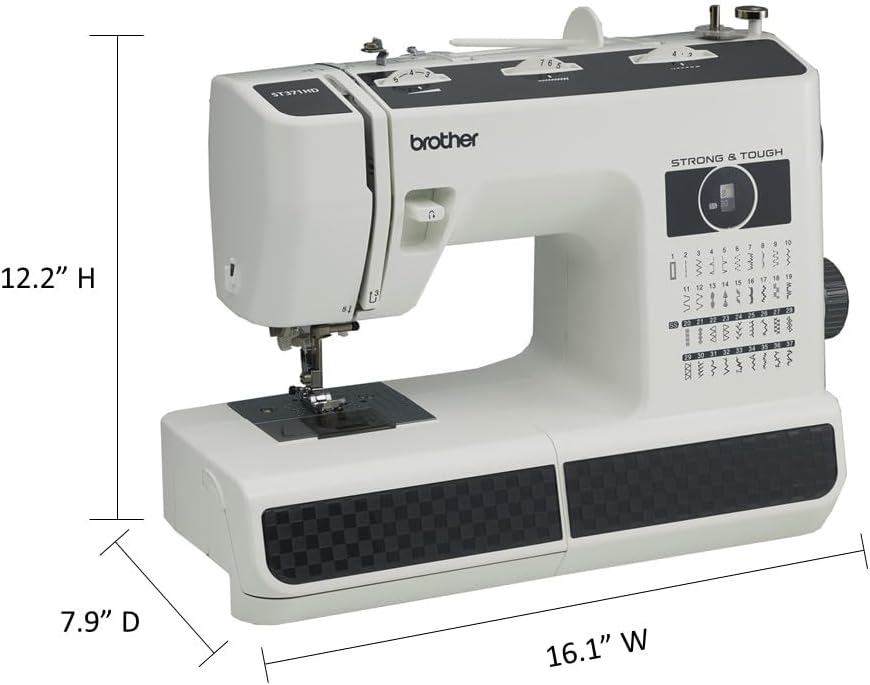
Current Price: $215 On Amazon
⚡ 1,100 stitches/min | 23 stitches | Adjustable presser foot pressure | Metal frame | 25-year warranty
Best for: Heavy fabrics, canvas, denim, home decor
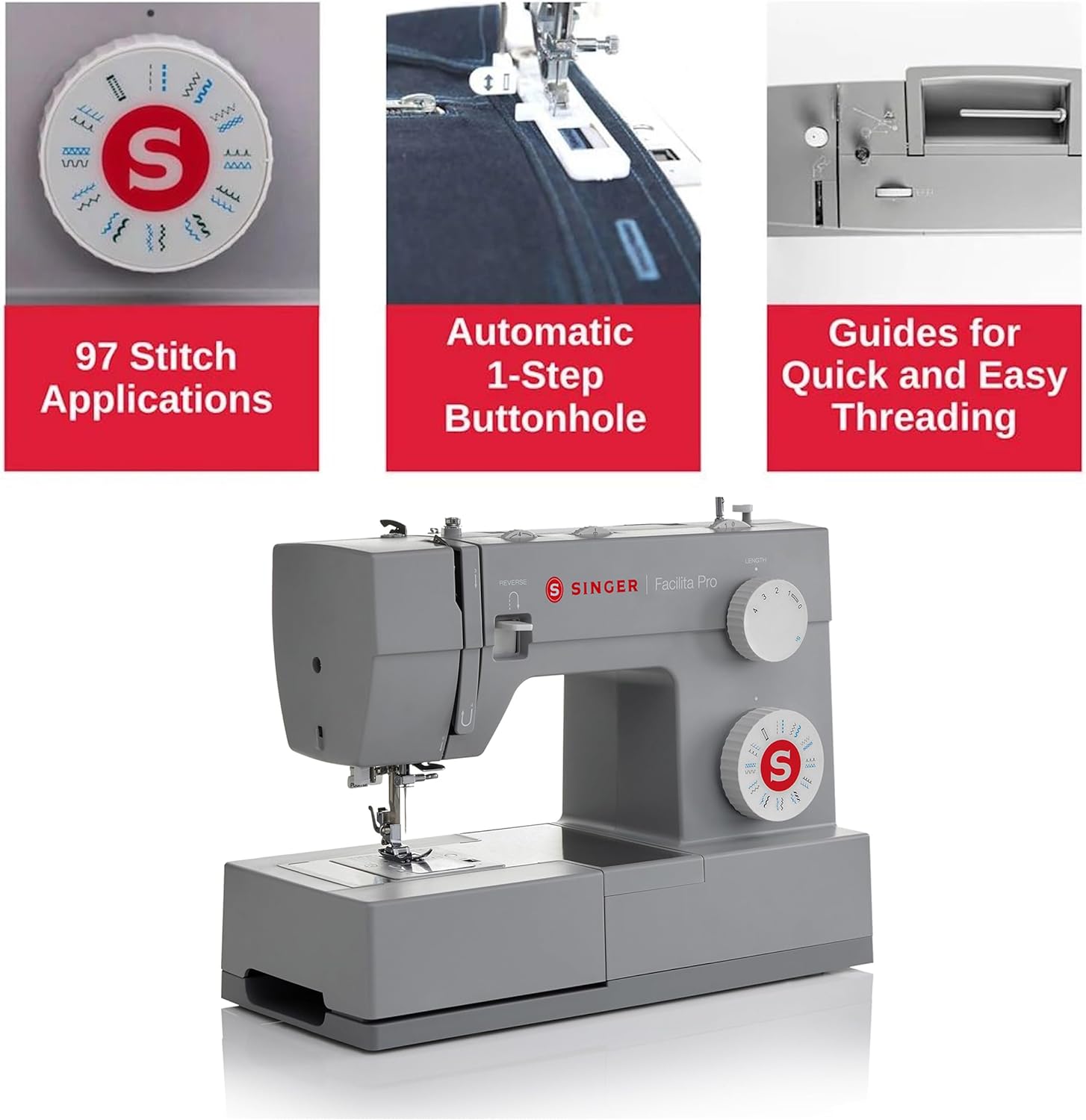

Current Price: $199 On Amazon
🧵 800 stitches/min | 37 stitches | 6 presser feet included | Non-stick foot | 25-year warranty
Best for: Mixed fabrics, beginners, versatile everyday sewing
Introduction
The Singer 4423 and the Brother ST371HD are two of the best entry-level heavy-duty sewing machines you can buy right now. And here’s something most comparison articles won’t tell you — these aren’t machines you’ll outgrow in six months. When I was starting out, these were the first two machines I bought.
I didn’t know which one to pick either, so I picked both. And what surprised me most wasn’t their differences — it was how far they carried me. Even as my skills grew, even when I moved from basic repairs to full garment sewing to canvas bags and home decor projects, I didn’t need to upgrade. Both machines grew with me.
But here’s the thing: they grew with me in different ways. And that’s exactly what this comparison is about.
At $215 for the Singer 4423 and $199 for the Brother ST371HD, you’re looking at a price difference on the price tag. But the real difference isn’t in the price — it’s in what each machine is quietly optimized for. One will serve you better if your projects lean heavy and demanding. The other will serve you better if you want flexibility and variety as you figure out your sewing style.
I’ve put both machines through the same projects — denim hems, canvas bags, lightweight cotton garments, layered repairs — and I’ve tracked exactly where each one shines and where it starts showing its limits.
By the end of this article, you won’t need to read another comparison. You’ll know which machine belongs on your table.
Table of Contents
Quick TL;DR:
Sew mostly thick fabrics like denim and canvas? Get the Singer 4423 ($215). Want more stitches, more presser feet, and more versatility across different fabrics? Get the Brother ST371HD ($199). Both are built to last — just pick the one that matches your projects.
At-a-glance: Singer 4423 vs Brother ST371HD
| Features | Singer 4423 | Brother ST371HD |
|---|---|---|
| Motor Speed | 1,100 SPM | 800 SPM |
| Built-in Stitches | 23 | 37 |
| Max Stitch Width | 6mm | 7mm |
| Presser Feet Included | 4 | 6 |
| Presser Foot Pressure | Adjustable ✅ | Fixed ❌ |
| Non-Stick Foot | Not included ❌ | Included ✅ |
| Automatic Thread Cutter | No ❌ | No ❌ |
| Frame | Metal interior + stainless steel bedplate | Metal interior frame |
| Bobbin Type | Top drop-in | Top drop-in |
| Automatic Needle Threader | Yes ✅ | Yes ✅ |
| Warranty | 25 Years | 25 Years |
| Best For | Thick & heavy fabrics | Versatility & variety |
| Where To Buy | Check On Amazon | Check On Amazon |
Sewing Through Thick Fabric: Which One Actually Handles It?
I was hemming a pair of 12oz mid-weight jeans — four layers at the fold.
The Singer 4423 didn’t flinch. At 1,100 stitches per minute, it powered through all four layers without skipping a single stitch. But the real reason it performed so well wasn’t just the motor — it was the adjustable presser foot pressure. When you increase that pressure, the feed dogs grip the thick fabric harder and pull it through more consistently. Clean stitches every time.
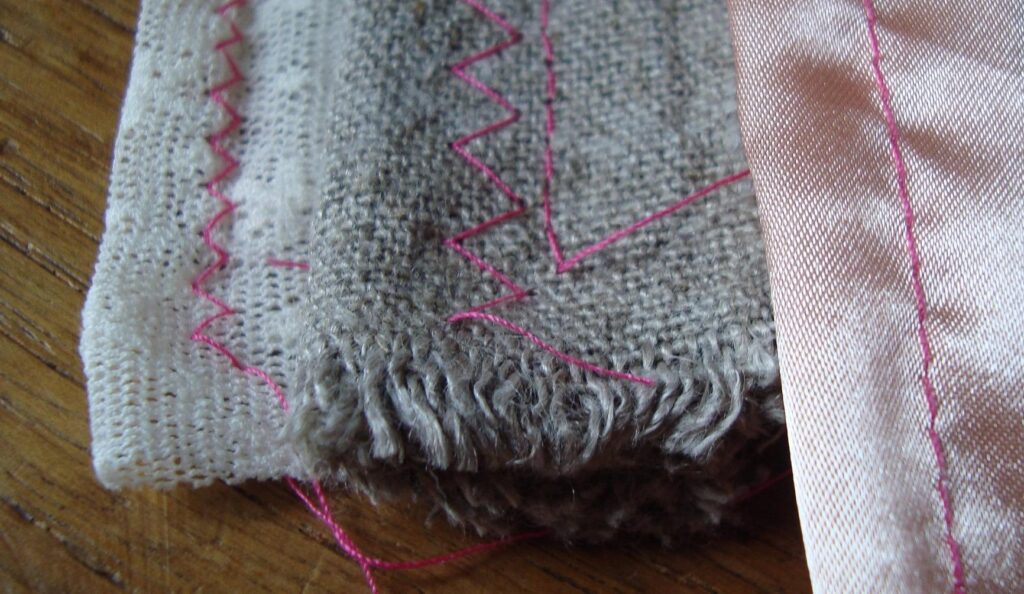
The Brother ST371HD handled the same denim hem too — but it took more coaxing. Its motor caps at 800 stitches per minute, and because the presser foot pressure is fixed, you can’t fine-tune how hard it grips the fabric. It got the job done, but I had to slow down and be more careful at the thick seams.
I also tested both on canvas bag straps — five layers of 10oz duck cloth. The Singer sailed through without breaking speed. The Brother struggled at the thickest point — where all five layers overlapped at the strap join — and stalled twice. Both times I had to turn the handwheel manually to push the needle through before the motor could take over again. It got there, but the Singer made it look effortless by comparison.
The Singer’s stainless steel bedplate also made a noticeable difference. Heavy canvas just glides over it. The fabric doesn’t drag or bunch up mid-seam.
One thing worth clarifying: both machines have a metal interior frame with plastic exterior housing — so neither is ‘all metal’ in the way the marketing sometimes implies. The real construction difference is the Singer’s stainless steel bedplate, which the Brother doesn’t have. That’s what heavy fabric actually contacts during sewing, and it’s why the Singer feels smoother on canvas and denim — not because the overall frame is more metal, but because the surface the fabric runs across is better suited for heavy work.
One honest warning about the Singer though: Out of the box, the tension was off. My first few straight stitches were either too loose or too tight. I had to rethread with the presser foot up and dial the tension to around 4 on a scrap piece of denim before it settled. It took about 20 minutes. Not a dealbreaker — but expect that setup time.
Sewing Different Fabrics: Which One Is More Versatile?
One week I was sewing a lightweight cotton blouse. The next week I needed to repair a vinyl bag. Then came a stretchy t-shirt project.
This is where I really started to see the difference between these two machines.
I switched the Singer 4423 to a zigzag stitch for the t-shirt seams. It worked — but with only 23 stitches total, I kept hitting walls. No stretch stitch. Limited decorative options. The Singer is built for power, not variety. When I needed a blind hem for the blouse, it just wasn’t there.
The Brother ST371HD felt like a completely different experience. With 37 built-in stitches, I had a proper stretch stitch for the t-shirt, a blind hem for the blouse, and enough decorative options to actually enjoy the process. The 7mm stitch width (vs Singer’s 6mm) also made the zigzag seams on stretch fabric noticeably more flexible and less likely to pop.
Then came the vinyl bag repair. Vinyl sticks to a regular metal presser foot and drags mid-seam — your stitch line goes crooked immediately. I tested the Singer on the vinyl first, using its standard metal foot. The fabric dragged exactly as expected — uneven stitching, had to stop and reposition twice. Then I switched to the Brother with its included non-stick foot. It glided over the vinyl cleanly, straight seam, no dragging. The Brother wins this test outright — and the non-stick foot alone is worth $15-20 if you were buying it separately for the Singer.
One thing that threw me off at first: the Brother’s stitch selector dial is on the side of the machine, not the front like every other machine I’d used. The selected stitch shows on a small counter at the front. Took me about ten minutes to get used to it. Now I don’t even think about it.
One real warning: the Brother is picky about bobbins. I ran out of the included ones and grabbed a generic pack from the craft store. Instant tangling. Switched back to Brother’s own bobbins and everything ran perfectly. Stick to OEM Brother bobbins — don’t learn this the hard way like I did.
For Complete Beginners: Which One Is Easier to Learn On?
When I first started sewing, I made every mistake possible. Wrong tension. Wrong needle. Crooked seams. The whole disaster.
So I know exactly what a beginner needs — and it’s not always the most powerful machine.
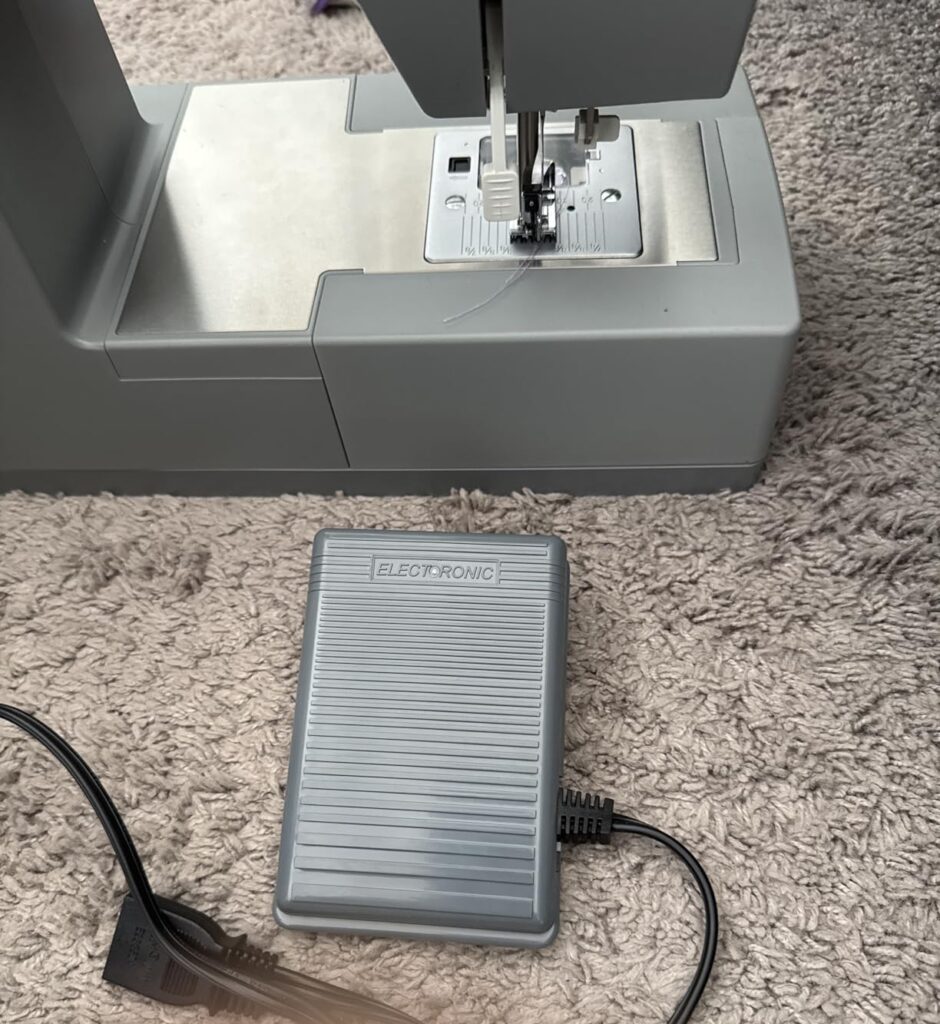
Here’s the thing nobody talks about with the Singer 4423: that foot pedal is aggressive. The first time I pressed it, the machine shot off at full speed before I even realized what happened. My seam went completely crooked. It runs at 1,100 stitches per minute, and the pedal is hair-trigger sensitive. As an experienced sewer, you learn to control it. But as a beginner who’s still figuring out how to guide fabric AND control speed at the same time? It’s genuinely frustrating. I ended up putting a non-slip rubber mat — the kind sold as drawer liners, less than $5 — under the pedal to slow my foot response and get more control. Made an immediate difference.
The Brother ST371HD at 800 stitches per minute felt much more forgiving. I could ease into the speed gradually. My seams were straighter from day one simply because the machine wasn’t running away from me.
The stitch count also matters for beginners — not today, but three months from now. When I started gaining confidence and wanted to try new things, the Brother’s 37 stitches gave me room to explore. Stretch stitches for knit fabric, blind hems for trousers, decorative stitches for personalizing projects. The Singer’s 23 stitches are solid for basics, but I hit the ceiling faster than expected.
That said — if you already know your projects will involve thick fabrics like canvas bags, curtains, or denim repairs, learn on the Singer. You won’t spend time wondering if your stitch problems are your fault or the machine’s fault. It handles heavy material so confidently that troubleshooting becomes much simpler.
Real Weaknesses Nobody Warns You About
Every review lists weaknesses. Most of them are copy-pasted from the spec sheet and completely useless. These are the ones I actually ran into — or wish someone had warned me about before I started sewing.
Singer 4423 Weaknesses
The buttonhole doesn’t stop itself. When you sew a buttonhole on the Singer, the machine keeps going after it’s done. You have to watch it and stop it manually. The first time I wasn’t paying attention, I ended up with a thread mess at the end of the buttonhole. The Brother stops automatically. Small thing — but noticeable once you’ve experienced both.
The foot pedal cord is too short. I had to rearrange my entire sewing table just to plug it in comfortably. A cheap extension cord fixes it, but it’s annoying that you need one at all.
The LED light is weak. Honestly it barely lights up the needle area. I sew near a window during the day, but for evening sewing I had to bring in a separate desk lamp. For a machine at this price, that’s a miss.
Brother ST371HD Weaknesses
No adjustable presser foot pressure. The preset pressure works fine for most fabrics. But when I was working with very thin silk on one end and thick canvas on the other, I felt the limitation. The Singer lets you dial it in. The Brother just makes a decision for you.
No automatic thread cutter. Other Brother machines at similar prices include one. This one doesn’t. You’re trimming threads manually every single time. Minor — but after a long sewing session, it adds up.
The motor gets warm on long sessions. After about 90 minutes of continuous sewing, I noticed the Brother running noticeably warm. I started giving it 10-minute breaks every hour. Nothing alarming — just something to keep in mind if you’re planning a long project day.
Does The Price Difference Actually Matter?
Honestly? No.
But here’s what that price gap actually reveals when you look closer.
The cheaper machine — the Brother at $199 — ships with more stuff. Six presser feet, 37 stitches, a wider stitch width, and a non-stick foot that you’d normally pay extra for separately. On paper, you’re getting more for less money.
The pricier machine — the Singer at $215 — ships with more power. Stronger motor, faster speed, adjustable presser foot pressure. Less in the box, but more capability where it counts for heavy work.
When I laid everything out on my table side by side, the Brother actually looked like the better deal at first glance. More accessories, more stitches, lower price. But then I went back to sewing thick canvas and denim — and the Singer’s power advantage became impossible to ignore.
So forget the price. The real question is simple: do you need power or do you need variety?
Power and thick-fabric performance → Singer 4423 is better value at $215.
Versatility, more stitches, more feet → Brother ST371HD is better value at $199.
That’s it. The price gap won’t make your decision. Your projects will.
Which One You Should Buy?
Singer 4423 is your machine if:
Current Price: $215 On Amazon
⚡ 1,100 stitches/min | 23 stitches | Adjustable presser foot pressure | Metal frame | 25-year warranty
Best for: Heavy fabrics, canvas, denim, home decor
- Your main frustration is a current machine that can’t handle thick or layered fabric
- You sew home decor, bags, canvas projects, denim repairs, or upholstery
- Speed and throughput matter — you want to finish projects faster
- You need adjustable presser foot pressure for fine-tuned control across fabric weights
Brother ST371HD is your machine if:
Current Price: $199 On Amazon
🧵 800 stitches/min | 37 stitches | 6 presser feet included | Non-stick foot | 25-year warranty
Best for: Mixed fabrics, beginners, versatile everyday sewing
- You sew a range of fabrics and don’t want to hit a ceiling quickly
- You’re a beginner who wants room to explore without buying a second machine
- The non-stick foot, wider stitch variety, and extra presser feet appeal to your project list
- A slightly more controlled sewing speed helps you as you build skills
Final Verdict
After sewing with both machines across dozens of projects, here’s the simplest way I can put it.
If your projects are heavy — denim, canvas, thick layers, home decor — buy the Singer 4423 ($215). The stronger motor and adjustable presser foot pressure make thick fabric feel effortless. You’ll appreciate that combination more than any extra stitch ever.
If your projects are mixed — different fabrics, different stitch types, still figuring out your sewing style — buy the Brother ST371HD ($199). More stitches, more presser feet, more room to grow. And it’s cheaper.
Here’s what I’ll say that most reviews won’t: you will only be disappointed if you buy the wrong one for your projects. Buy the Singer for heavy work and it will never let you down. Buy the Brother for variety and you’ll have room to grow for years. Buy the Singer when you needed the Brother’s versatility — or vice versa — and you’ll be frustrated within a month. Both have 25-year warranties. Both are built with metal frames. Both will outlast cheap beginner machines by years. The difference between them is not quality — it’s personality. The Singer is a workhorse. The Brother is a Swiss Army knife.
Pick the personality that matches your projects — and stop overthinking it.
Related Articles:
FAQs
Is the Singer 4423 good for beginners?
Yes, but the foot pedal is very sensitive and fast. If you’re a complete beginner with no specific project type in mind, the Brother ST371HD is actually easier to learn on.
Can the Brother ST371HD sew denim?
Yes it can, but the Singer 4423 handles denim more confidently thanks to its stronger motor and adjustable presser foot pressure.
Why does my Brother ST371HD keep jamming?
Most likely you’re using generic bobbins. The Brother ST371HD is very picky about bobbins — the tolerance on the bobbin case is tight, and generic bobbins are often fractionally thicker or slightly different in height, which throws off the tension and causes thread to catch. Stick to OEM Brother Class 15 bobbins (SA156 or equivalent) and the jamming stops.
Which machine has a better warranty?
Both the Singer 4423 and Brother ST371HD come with a 25-year limited warranty on the machine head. Equal on this front.
Is the price difference worth thinking about?
Not really. Base your decision on your projects, not the price gap. The Brother gives you more accessories for less money. The Singer gives you more power for slightly more money.