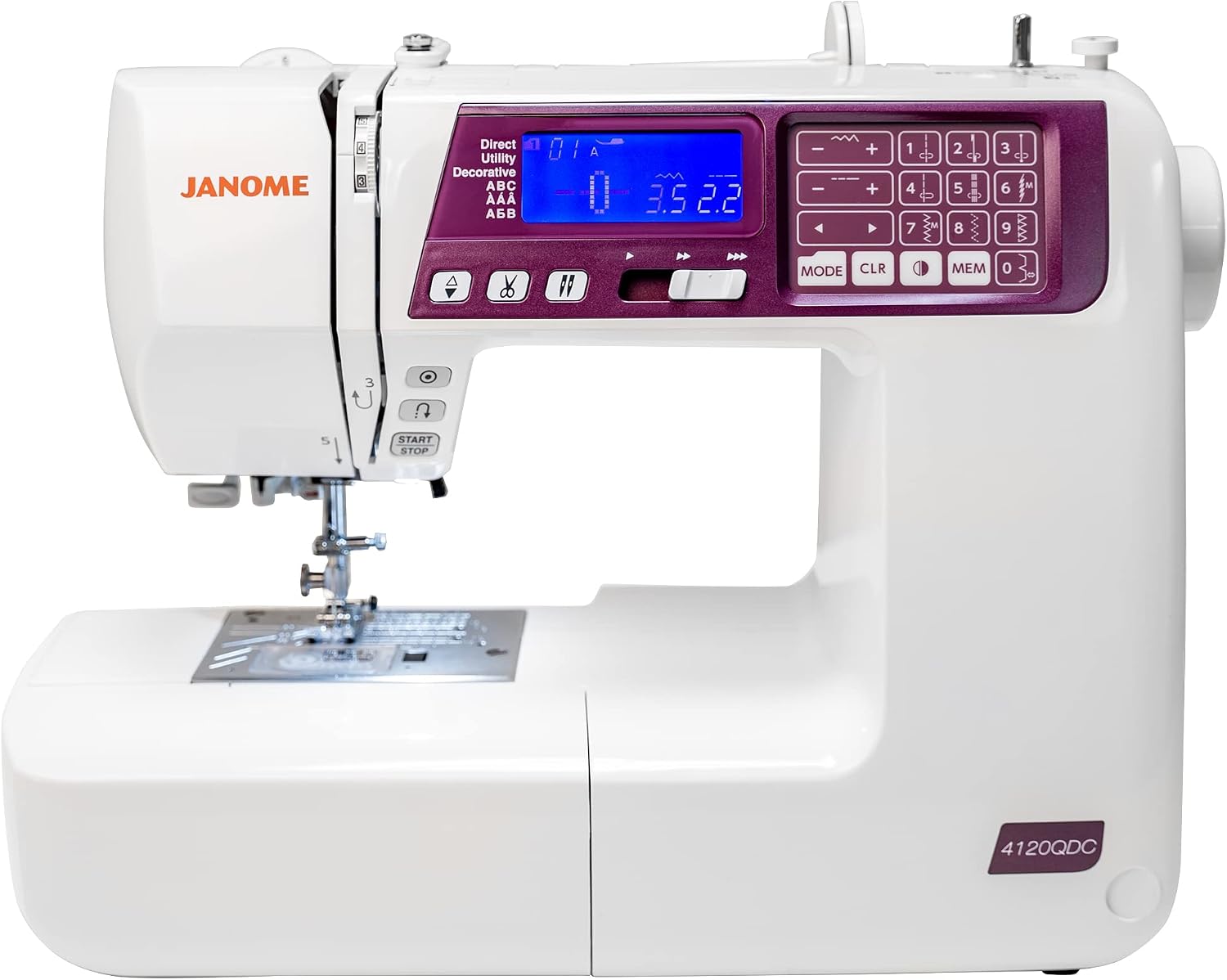
Current Price: $849 On Amazon
More stitches, sturdier build, and less maintenance over time. The upgrade pick for anyone sewing garments, decorative work, or using the machine heavily.

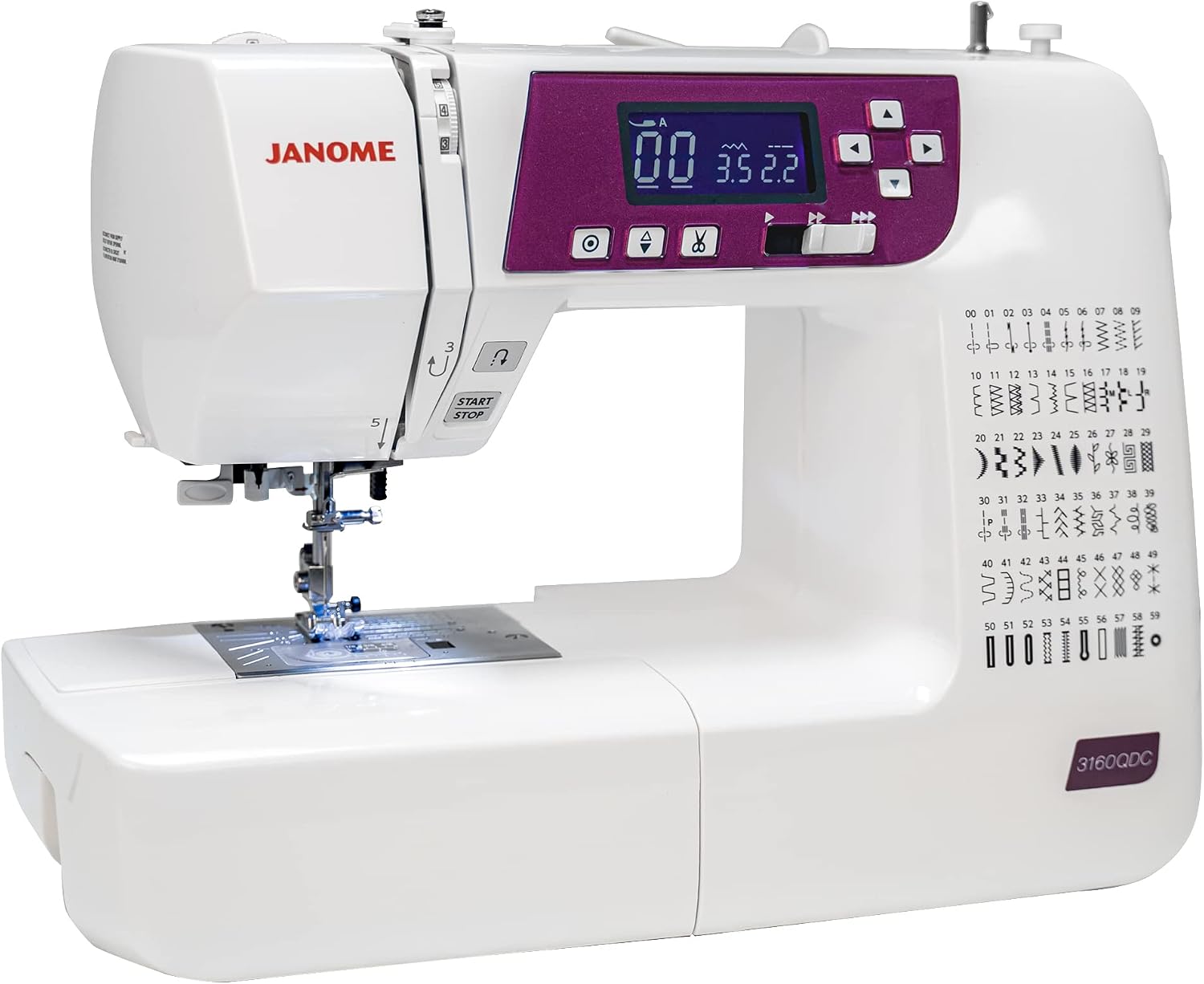
Current Price: $749 On Amazon
Lightweight, budget-friendly, and built for quilters who travel to classes. 60 stitches, 6 buttonholes — everything most piecers actually use, at the lowest price in the lineup.
Introduction
I was halfway through quilting a beautiful baby blanket for my niece when my Singer Quantum Stylist 9960 suddenly jammed, chewed up the fabric, and completely ruined the backing.
Frustrated and tired of fighting with clunky dials, I decided it was time to upgrade to a smart, computerized machine that could actually handle delicate piecing and smooth quilting stitches without a struggle.
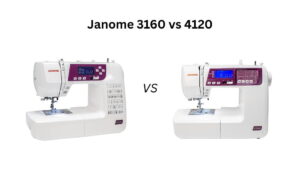
That is how I ended up staring at the Janome 3160 QDC and the Janome 4120 QDC on my computer screen.
Both look almost identical, both promise to be a quilter’s dream, and both cost a decent chunk of change.
If you are trying to choose between them right now, you know how confusing it is to figure out if you are paying extra just for a different color strip on the front, or if there is a real mechanical upgrade under the hood.
In this article, I am putting both of my Janome machines side-by-side on my work table to show you exactly how they perform in real life so you can pick the perfect sewing partner without wasting your hard-earned cash.
Table of Contents
Quick TL;DR:
Skip the stitch count hype—most people only use a handful anyway. Buy the Janome 4120 if you want a quiet, heavy-use machine that stays firmly planted and saves you long-term repair costs. Choose the Janome 3160 only if you need a lightweight, cheaper option specifically for traveling to weekly sewing classes.
At-a-glance: Janome 3160 vs 4120
| Features | Janome 3160QDC | Janome 4120QDC |
|---|---|---|
| Built-in Stitches | 60 | 120 + alphabet |
| One-Step Buttonholes | 6 | 7 |
| Weight | 12.6 lbs | 14.3 lbs |
| Max Stitch Width / Length | 7mm / 5mm | 7mm / 5mm |
| Hook Type | Top-loading full rotary | Top-loading full rotary |
| Needle Threader | Built-in | Built-in |
| Stitch Memory | No | Yes (up to 50 combos) |
| Twin-Needle Function | No | Yes |
| Included Extras | Hard cover + extension table | Hard cover + extension table |
| Best For | Portable piecing, classes, budget quilters | Garment work, decorative stitching, heavier use |
| Where To Buy | Check On Amazon | Check On Amazon |
I Don’t Want to Buy a Machine That Feels Cheap
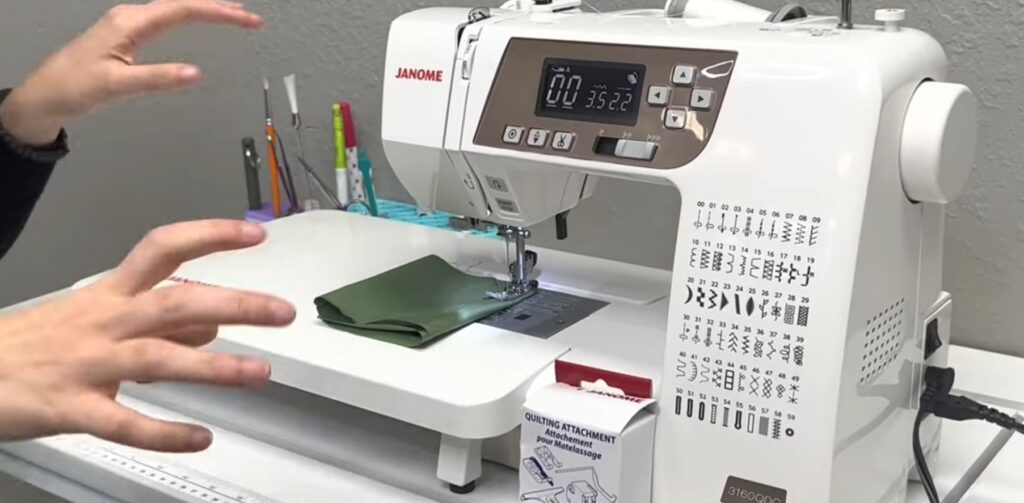
When you are spending hundreds of dollars on a computerized machine, you want it to feel solid on your table.
To test the build quality, I set both machines side-by-side and ran a fast zigzag stitch through a heavy cotton quilt block.
The difference was instant. As soon as the Janome 3160 hit top speed, the plastic shell began to rattle, and the whole machine shook slightly on my wooden desk, making it feel a bit light-duty and hollow.
But when I switched over to the Janome 4120, it stayed firmly planted.
It felt sturdier, sounded much quieter, and had a smooth, solid purr that just felt more premium under my hands.
This makes complete sense because the 4120 was released as the “big sister” model to fix the rough edges of the 3160.
If you are going to sit in front of a machine for hours at a time, that cheap, plasticky vibration on the 3160 will drive you crazy. The 4120 simply feels like a higher-quality, better-built machine that is ready for serious sewing.
I Need This Machine to Be Quiet
Since sewing machine companies don’t put noise levels on their boxes, I decided to do a late-night volume test in my living room while my family was watching television.
I loaded both machines with the same thread and sewed a long, straight line at full speed.
The Janome 3160 QDC immediately let out a loud, mechanical humming noise that actually forced my husband to turn up the TV volume just to hear the show.
It wasn’t broken; it is just a naturally loud machine that clatters when it works hard.
But when I switched over to the Janome 4120 QDC, the room went surprisingly quiet.
The 4120 runs with a soft, gentle purr that didn’t disturb anyone at all.
If you sew in a small apartment with thin walls, like to create late at night, or enjoy chatting with friends during a quilting meetup, the 4120 is the clear winner.
Its quiet motor is a massive, real-world relief that will save you from a lot of household arguments.
I Don’t Want to Pay for Repairs I Didn’t See Coming
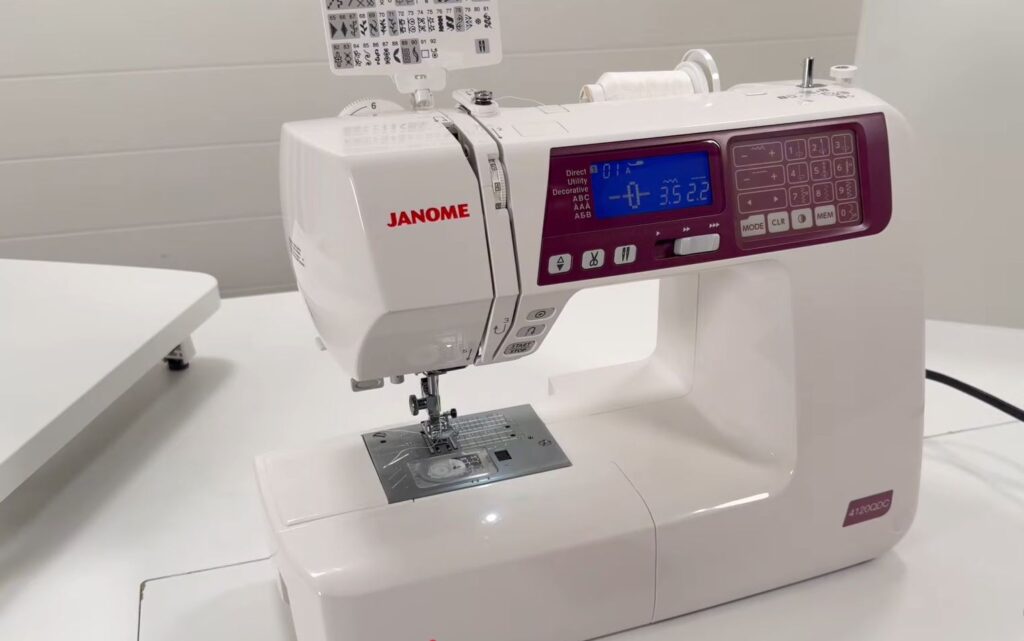
To see how these machines hold up over time, I did a long-term durability test by using both to piece together a massive, heavy winter quilt.
After a few weeks of heavy, daily use, the Janome 3160 QDC started acting a bit finicky, throwing occasional bobbin jams and requiring me to stop and clean out the lint trap constantly just to keep the stitches straight.
When I talked to a local sewing machine mechanic about it, he confirmed my suspicions: the 3160 has a more delicate internal system that really needs expensive, professional servicing every single year to stay in alignment.
On the flip side, my Janome 4120 QDC powered through the exact same heavy quilting blocks without a single hiccup, and mechanics agree it only needs a tune-up “as needed” because its internal parts are much tougher.
If you are a heavy sewist who makes quilts or clothes every single week, the 3160 will likely cost you a lot more money and hassle in repair shop visits over its lifespan.
But if you only sew occasionally on weekends, either machine will hold up fine without breaking your budget.
I Need to Actually Carry This Thing Places
As I also manage my sewing classes so sometimes, I need to take my machines along with me.
So, I packed both machines into my car trunk and drove them to my sewing classes.
Lifting them up a flight of stairs made the numbers on the spec sheet instantly real.
The Janome 3160 weighs a light 12.6 lbs, while the 4120 weighs 14.3 lbs.
That 13% weight difference doesn’t sound like much, but your back will definitely feel it by the time you walk from the parking lot to the classroom.
Multiple students at the classroom told me they bought the 3160 specifically as their dedicated travel machine for this exact reason.
If you regularly sew on the go, the lighter 3160 has a genuine, uncontested advantage.
I Actually Do Need More Stitches and Buttonholes
The 4120 easily wins the variety battle with 120 built-in stitches and a full alphabet font, compared to just 60 stitches on the 3160.
I used the 4120’s smart stitch memory to program and monogram my niece’s name directly onto the fabric, a trick the 3160 simply cannot do.
However, I did notice a shared real-world flaw during my hands-on test: when I tried to sew a one-step buttonhole through three thick layers of fleece on a winter coat, the stitch quality got messy and jammed on both machines.
They handle normal garment sewing beautifully, but the 4120 is the clear choice if you want maximum creative variety and custom lettering.
Which One Should You Actually Buy?
Buy the Janome 4120 if:
Current Price: $849 On Amazon
More stitches, sturdier build, and less maintenance over time. The upgrade pick for anyone sewing garments, decorative work, or using the machine heavily.
You want a quiet, solid machine that won’t drive you crazy with desk rattling. It is the best choice if you sew every single week, want to monogram names onto your projects, or want to avoid expensive annual repair shop bills.
Buy the Janome 3160 if:
Current Price: $749 On Amazon
Lightweight, budget-friendly, and built for quilters who travel to classes. 60 stitches, 6 buttonholes — everything most piecers actually use, at the lowest price in the lineup.
Your main goals are saving $100 upfront and having a lightweight machine that won’t hurt your back when carrying it to weekly sewing classes.
The Final Verdict: Is the $100 Gap Worth It?
When you strip away the marketing, most sewists will never use all 60 stitches on the 3160, let alone the 120 on the 4120.
The real difference you are paying for is build quality, noise control, and long-term reliability.
The $100 price jump to the Janome 4120 isn’t a luxury tax—it is a smart investment in a smoother, quieter sewing experience that will last for years.
But if upfront savings and a lightweight machine for travel are your top priorities, the Janome 3160 remains a highly capable companion.
Related Articles:
- Janome HD1000 vs HD3000!
- Janome HD5000 vs HD3000!
- Janome HD1000 vs HD5000!
- My Janome 2212 Review!
- Janome CoverPro 1000CPX Review!
FAQs
Is the Janome 4120 worth $100 more than the 3160?
If you sew often and want a quieter, sturdier machine with less frequent servicing, yes. If you’re a light user prioritizing weight and price, the 3160 still holds up fine.
What’s the actual stitch difference between the two?
The 3160 has 60 built-in stitches and 6 buttonholes; the 4120 has 120 stitches (plus alphabet) and 7 buttonholes. Most piecers only use a handful regularly either way.
Which machine is better for traveling to classes or guild meetings?
The 3160, since it’s about 13% lighter (12.6 lbs vs 14.3 lbs) and was specifically designed as a portable, take-along machine.
Does the 3160 need more maintenance than the 4120?
Based on owner and reviewer reports, the 3160 is generally recommended for annual professional servicing, while the 4120 tends to hold up fine with servicing only as needed.
Why do prices vary so much between listings for the same model?
Both machines come in multiple variants (like the 3160QOV or 4120 bundles with a hard case and extension table), so always check what’s included before comparing prices directly.