Bobbinhub.com

Picture of Komal

Komal

Brother PE800 vs SE1900: Which Is Actually Better?

Brother PE800 vs SE1900: Which Embroidery Machine Should You Buy in 2025?
Embroidery Machine Comparison · 2025

Brother PE800 vs SE1900:
Which Machine Is Actually Worth Your Money?

An in-depth, no-fluff comparison of two of Brother’s most popular embroidery machines — so you stop second-guessing and start stitching.

Embroidery Expert Review Both Machines Researched Updated 2025 12-Min Read

⚡ Quick Answer: PE800 vs SE1900

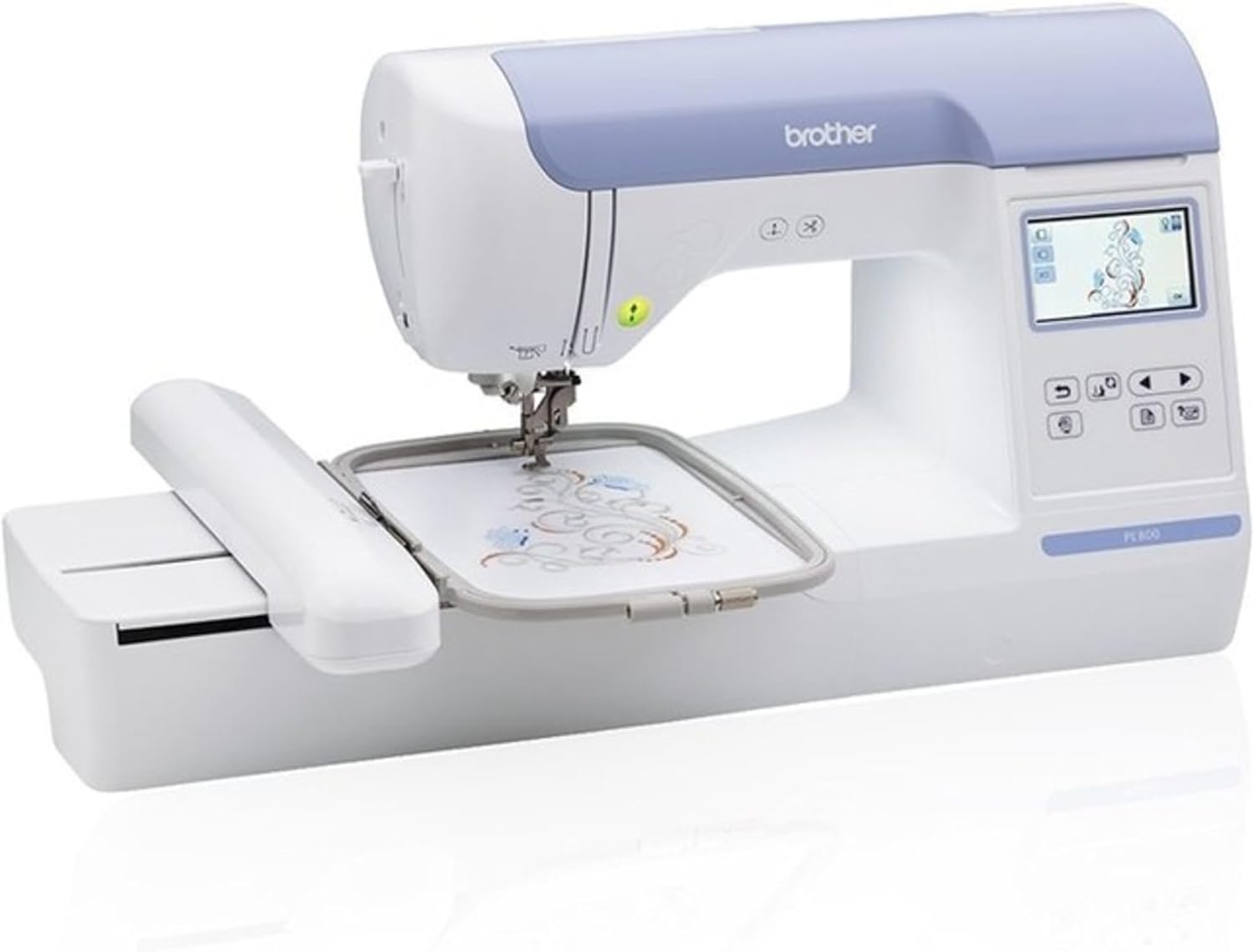
The Brother PE800 is a dedicated embroidery-only machine. It cannot sew regular stitches, hem pants, or piece a quilt top. It is built exclusively for embroidery work with a 5″×7″ hoop and 138 built-in designs.

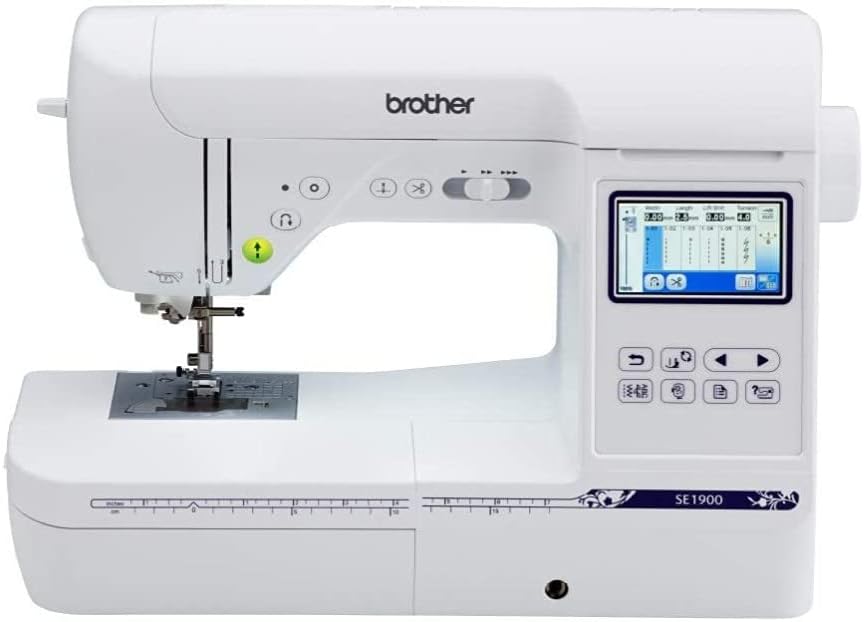
The Brother SE1900 is a sewing + embroidery combo machine. It does everything the PE800 does in embroidery mode — same 5″×7″ hoop, same speed, same touch screen — but also functions as a full-featured computerized sewing machine with 240 built-in stitches.

Choose the PE800 ($1,058) if embroidery is your sole focus and you already own a sewing machine.
Choose the SE1900 ($1,048) if you want one machine that sews and embroiders — and want to save $10 in the process.

Understanding the Brother PE vs SE Lineup

Brother uses a deliberate naming system for its embroidery machines. The “PE” stands for Personal Embroidery — these are dedicated embroidery-only machines with no regular sewing capability. The “SE” stands for Sewing and Embroidery — these combo machines combine a full computerized sewing machine with an embroidery unit.

The Brother PE800 is one of Brother’s most popular dedicated embroidery machines, targeting home embroiderers who want a reliable, feature-rich embroidery platform with a 5″×7″ hoop area. It does not have feed dogs, does not accept a foot pedal for regular sewing, and cannot stitch a straight seam. Its sole purpose is to move an embroidery hoop in X and Y coordinates to recreate designs in thread.

The Brother SE1900 is a combo machine that houses the same embroidery engine found in the PE800 inside a fully functional computerized sewing machine body. Remove the embroidery arm and it becomes a capable everyday sewing machine. Attach the arm and it performs embroidery at the same 5″×7″ field, 650 SPM speed, and quality level as the PE800.

💡

The core insight: Both machines share the same embroidery engine. Stitch quality, maximum speed (650 SPM), and hoop size are identical. The SE1900 is essentially a PE800 with a full sewing machine built around it — and it currently costs less than the PE800.

This creates an unusual situation where the more capable machine (SE1900) is priced lower. We’ll break down why that is, what you’re actually getting with each, and which one makes more sense for your specific needs.


Side-by-Side: Prices & Quick Features

Both machines are available on Amazon with free Prime shipping. Check current prices before buying — they fluctuate frequently.

Embroidery Only
Brother PE800
Dedicated Embroidery Machine
$1,058 + Free Shipping
  • 5″ × 7″ embroidery field
  • 138 built-in embroidery designs
  • 11 built-in embroidery fonts
  • 3.2″ color LCD touchscreen
  • 650 stitches per minute max
  • USB port for custom designs
  • Automatic needle threader
  • 25-year limited warranty
  • Embroidery-only (no sewing)
Check Price on Amazon →

*Amazon affiliate link. Price verified at time of publication.

Best Value Pick
Brother SE1900
Sewing + Embroidery Combo
$1,048 + Free Shipping
  • 5″ × 7″ embroidery field
  • 138 built-in embroidery designs
  • 11 built-in embroidery fonts
  • 3.2″ color LCD touchscreen
  • 650 stitches per minute max
  • 240 built-in sewing stitches
  • 10 auto-size buttonhole styles
  • 8 included presser feet
  • 25-year limited warranty
Check Price on Amazon →

*Amazon affiliate link. Price verified at time of publication.


Complete Specification Comparison Table

Every specification that matters, side by side. WIN badges show where one machine outperforms the other. TIE badges indicate equal performance.

Feature Brother PE800 Brother SE1900
Price $1,058 $1,048 WIN
Machine Type Embroidery Only Sewing + Embroidery WIN
Embroidery Area 5″ × 7″ TIE 5″ × 7″
Max Embroidery Speed 650 SPM TIE 650 SPM
Built-in Embroidery Designs 138 TIE 138
Built-in Sewing Stitches None (embroidery only) 240 stitches WIN
Embroidery Fonts 11 (7 English, 3 Japanese, 1 Cyrillic) TIE 11 (+ 5 additional lettering fonts)
Buttonhole Styles None 10 auto-size styles WIN
LCD Screen Size 3.2″ Color Touch TIE 3.2″ Color Touch
USB Port Yes TIE Yes
Auto Needle Threader Yes TIE Yes
Auto Thread Cutter Yes TIE Yes
Bobbin System Quick-set drop-in TIE Jam-resistant drop-in
Included Presser Feet 1 (embroidery foot only) 8 feet (incl. walking foot) WIN
Included Hoop 5″ × 7″ TIE 5″ × 7″
Lighting LED TIE LED (x2)
Design Editing Rotate, resize, mirror, merge TIE Rotate, resize, mirror, merge
Free-Motion Sewing No Yes (drop feed) WIN
Machine Weight 16.31 lbs WIN 22.05 lbs
Dimensions (W×D×H) 17.13 × 7.91 × 11.49″ 13.43 × 10.48 × 19.09″
Warranty 25-year limited TIE 25-year limited
Compatible Design Format PES (via USB) TIE PES (via USB)
Best For Dedicated embroiderers Sewists + embroiderers

Embroidery Performance: Are They Really the Same?

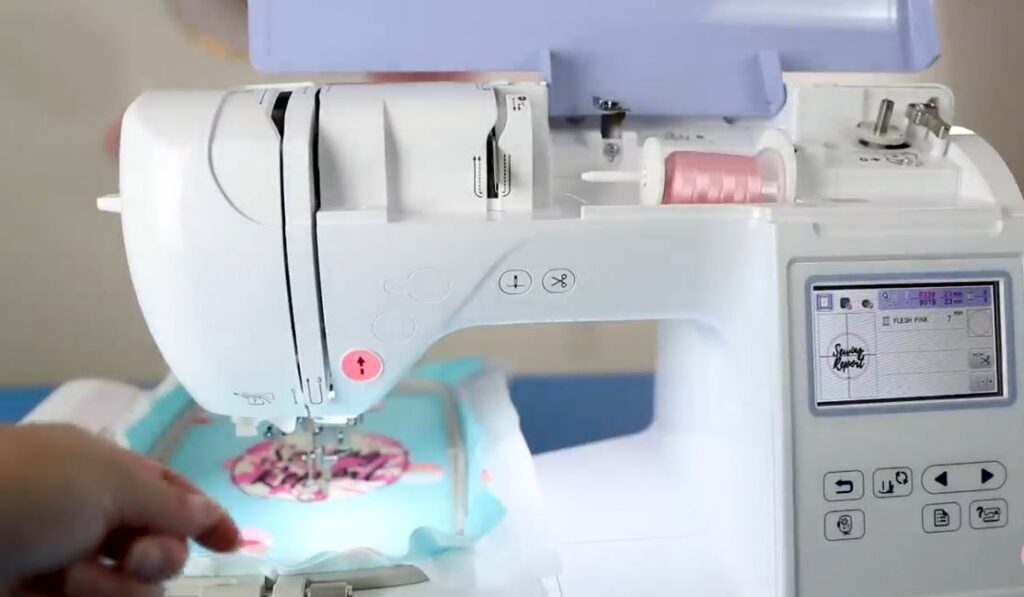
This is the most important question in this entire comparison — and the honest answer is yes, for all practical purposes. Both machines use the same embroidery engine, which means they deliver identical stitch quality, identical maximum speed (650 stitches per minute), and work from the same 5″×7″ hoop area.

Stitch Quality & Density

Both the PE800 and SE1900 produce clean, consistent embroidery stitches across standard embroidery fabrics like cotton twill, denim, and fleece. Thread tension is managed automatically and rarely requires manual adjustment for standard embroidery thread weights. The machines handle both fill stitches and satin columns without pulling or puckering, provided proper stabilizer is used — which is a fabric and stabilizer issue rather than a machine limitation.

Design Editing Capabilities

The design editing interface is functionally identical on both machines. You can rotate designs, mirror-image them horizontally and vertically, resize (with limitations — over-enlarging affects stitch density), and preview the full design in color on the LCD screen before committing to thread. Both machines let you merge and arrange multiple designs on the screen for complex layered work.

📐

5″×7″ Hoop Advantage: Both machines include Brother’s 5″×7″ embroidery hoop, which is significantly larger than entry-level 4″×4″ machines. This enables full back designs on jackets, large monograms, and detailed multi-element designs without re-hooping. For most home embroiderers, this is the ideal size before jumping to commercial multi-needle machines.

USB Design Import — PES Format

Both machines accept designs via a standard USB flash drive in the PES file format, which is the most widely supported Brother embroidery format. PES is so common in the embroidery digitizing community that most design marketplaces (Etsy sellers, iBroidery, Embroidery Library) offer designs in PES as the primary or only format. This means access to hundreds of thousands of purchasable or free designs for both machines.

Built-In Design Library

Both machines ship with exactly 138 built-in designs, 11 fonts (7 English, 3 Japanese, 1 Cyrillic), 10 frame shapes, and 14 border styles. There is zero difference in the built-in content between the PE800 and SE1900 in embroidery mode. The library covers florals, seasonal patterns, decorative scrollwork, kids’ designs, and quilt patterns — a solid starting point that most users eventually supplement with purchased designs.

Maximum Speed: 650 SPM

At 650 stitches per minute, both machines sit at a mid-tier embroidery speed. Commercial single-needle machines reach 800–1,000 SPM, but for home use, 650 SPM is more than adequate. A standard 5,000-stitch design (a small logo or monogram) completes in roughly 8–10 minutes at this speed. Dense fill designs of 15,000+ stitches will take 25–35 minutes. Color changes (which require manual thread swaps on single-needle machines) add additional time regardless of which machine you choose.


Sewing Performance: The SE1900’s Exclusive Advantage

This section is only relevant to the SE1900. The PE800 has no sewing capability whatsoever — no feed dogs, no presser feet for sewing, no foot pedal-controlled speed. If you need to hem a pair of pants, sew a seam, or stitch a pillowcase, you cannot do it on the PE800.

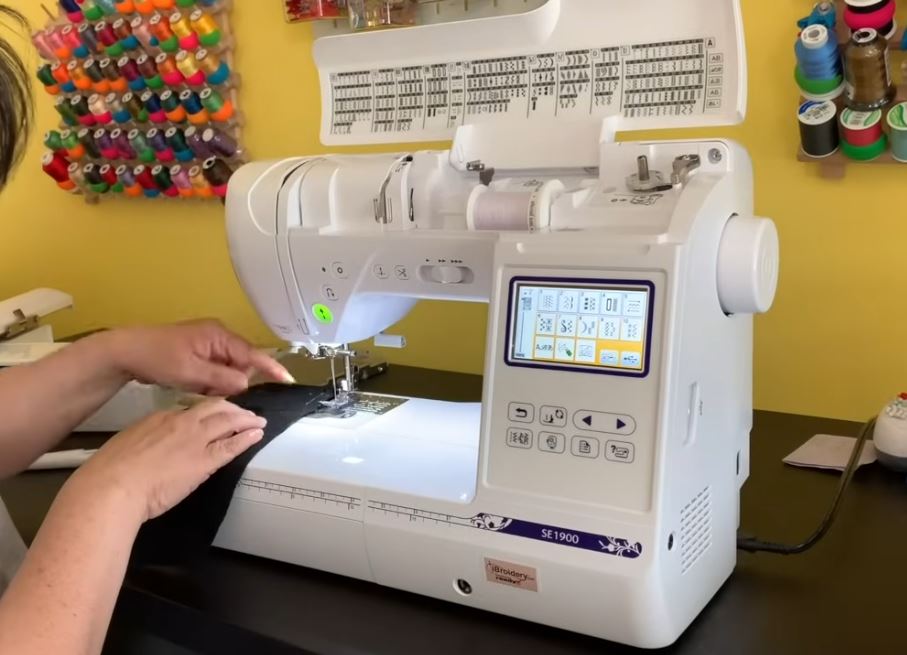
The SE1900, by contrast, removes its embroidery arm and functions as a full computerized sewing machine with 240 built-in stitches, 10 auto-size buttonhole styles, a speed control slider, and 8 included presser feet including a walking foot. This sewing capability is not an afterthought — it’s comparable to Brother’s mid-range dedicated sewing machines.

240 Built-In Stitches

The SE1900’s 240-stitch library includes utility stitches (straight, zigzag, overlock simulation), stretch stitches for knit fabrics, decorative stitches for heirloom sewing and embellishment, and quilting stitches. For the average home sewist, 240 stitches is more than enough variety for years of varied projects. Most machines in this price range offer 50–100 stitches; 240 is genuinely generous.

Quilting Capability

The SE1900 includes a walking foot in its accessory package, which enables even feed for quilting through batting and multiple fabric layers. The machine also supports drop-feed free-motion quilting, where the user moves the fabric manually for stippling and fill patterns. This makes the SE1900 a viable entry-level quilting machine — something the PE800 cannot replicate at all.

⚠️

Important Limitation: The SE1900 is a single-needle machine in both sewing and embroidery modes. For embroidery, this means every color change requires manually stopping, cutting, and re-threading. For production-volume work (batch orders, commercial embroidery), a multi-needle machine like the Brother PR1050X is a better long-term investment. For personal projects and occasional small batches, the SE1900’s single-needle workflow is manageable.

Sewing Speed

In sewing mode, the SE1900 runs faster than its embroidery mode — reaching up to 850 stitches per minute for general sewing. The included speed control slider lets users set a maximum speed cap, which is particularly helpful for beginners learning to control their pace on long seams or intricate curves.


5 Key Differences That Actually Matter

1. Embroidery-Only vs Combo Machine

This is the defining difference. The PE800 is a single-purpose embroidery tool. The SE1900 is a dual-purpose sewing and embroidery platform. If you need to sew — hemming, garment construction, home décor projects, quilting — the PE800 cannot help you. The SE1900 can do both. For most buyers, this difference alone determines the right choice.

2. Price: SE1900 Is Currently Cheaper

At the time of writing, the SE1900 ($1,048) is priced $10 less than the PE800 ($1,058). This seems counterintuitive — the combo machine costs less than the specialty machine — but it reflects market positioning, volume, and the fact that the SE1900 has a broader audience. This makes the value equation even more lopsided in favor of the SE1900 for most buyers.

3. Included Accessories

The PE800 ships with one presser foot (the embroidery foot). That’s all you need for embroidery. The SE1900 includes 8 presser feet: zigzag foot, buttonhole foot, overcasting foot, monogramming foot, zipper foot, blind stitch foot, button fitting foot, and embroidery foot. For sewing projects, these feet cover the vast majority of techniques without additional purchases. The SE1900 also includes a twin needle for double-needle topstitching.

4. Weight & Footprint

The PE800 is noticeably lighter at 16.31 lbs versus the SE1900’s 22.05 lbs, and its footprint is more compact in height. The PE800 is also wider (17.13 inches) due to its embroidery arm design, while the SE1900 is taller (19.09 inches). For dedicated embroidery studios with limited desk space, the PE800’s horizontal profile may be preferred. For most shared craft rooms, either machine fits comfortably on a standard sewing table.

5. LED Lighting

The SE1900 includes two LED work lights for better visibility of both the needle area and the overall work surface. The PE800 includes a single LED. For extended embroidery sessions, better lighting reduces eye strain — a small but genuinely appreciated quality-of-life difference in the SE1900.

Ready to Check Today’s Prices?

Prices on both machines fluctuate. Check current Amazon prices before you decide.


Honest Pros & Cons: PE800 vs SE1900

Brother PE800 — Pros & Cons

✓ Pros

  • Purpose-built embroidery machine — optimized workflow
  • Lighter body (16.31 lbs) — easier to transport
  • Compact horizontal footprint for dedicated embroidery desks
  • Same 5″×7″ hoop and 650 SPM as SE1900 — no embroidery compromise
  • 138 built-in designs with full design editing on LCD touch screen
  • USB import for unlimited custom PES designs
  • Step-by-step on-screen tutorials — beginner-friendly
  • 25-year limited warranty

✗ Cons

  • Embroidery only — cannot sew regular stitches
  • No presser feet for sewing included
  • Priced $10 more than the SE1900 despite fewer features
  • Single LED light vs SE1900’s two LEDs
  • No quilting capability whatsoever
  • No buttonhole function
  • Single-needle: manual color changes required
  • Requires a separate sewing machine if you sew at all

Brother SE1900 — Pros & Cons

✓ Pros

  • Full sewing machine + embroidery machine in one
  • 240 built-in sewing stitches — extremely versatile
  • 10 auto-size buttonhole styles
  • 8 included presser feet (incl. walking foot for quilting)
  • Identical embroidery performance to PE800 (same engine)
  • Currently priced $10 less than the PE800
  • Two LED lights for better work area visibility
  • Free-motion quilting via drop feed
  • Speed control slider for precise sewing pace
  • 25-year limited warranty

✗ Cons

  • Heavier (22.05 lbs) — less portable
  • Taller footprint requires more vertical clearance
  • Manual color changes in embroidery (single needle)
  • Combo machines can feel like a compromise for advanced embroiderers
  • No Wi-Fi design transfer (PE900 upgrade adds this)
  • Learning curve for mastering both sewing and embroidery modes
  • Not suitable for high-volume commercial embroidery production

Who Should Buy Each Machine?

Buy the Brother PE800 if you…

  • Already own a dedicated sewing machine and want a second machine purely for embroidery
  • Run a small embroidery business or home-based embroidery side hustle where you need a dedicated embroidery platform
  • Want a lighter, more portable machine specifically for embroidery classes or craft fairs
  • Prefer not to manage a combo machine’s dual workflows and want an embroidery-focused interface
  • Are upgrading from a 4″×4″ hoop machine and want the larger 5″×7″ field without paying for sewing features you won’t use
🚫

Do NOT buy the PE800 if you don’t already own a sewing machine. The moment you need to hem a garment, sew a seam, or make a simple repair, the PE800 is useless. You’ll end up buying a sewing machine anyway — at which point the SE1900 would have been the smarter single purchase.

Buy the Brother SE1900 if you…

  • Want one machine that handles both sewing projects and embroidery without buying two separate units
  • Are a beginner entering the world of embroidery who also sews or wants to learn to sew
  • Do garment sewing, home décor projects, quilting, and embroidery work — the SE1900 covers all of it
  • Want to save money: the SE1900 currently costs $10 less than the PE800 and does significantly more
  • Are setting up a craft room or home studio and need maximum versatility from a single machine
  • Run a small business making and embroidering items (tote bags, shirts, baby gifts) where sewing and embroidery are part of the same workflow
  • Want the same embroidery quality as the PE800 without any compromise
🏆

Bottom Line for Most Buyers: The SE1900 is the objectively stronger purchase for the majority of people comparing these two machines. It costs less, does everything the PE800 does in embroidery, and adds complete sewing capability on top. The only compelling reason to choose the PE800 is if you already have a sewing machine you love and specifically want a lighter, embroidery-dedicated second machine.


Our Final Verdict: PE800 vs SE1900

After comparing every specification, feature, and use case, the verdict is unusually clear for this comparison. The Brother SE1900 wins for most buyers — not by a narrow margin, but decisively. It costs less than the PE800, delivers identical embroidery performance, and adds a complete 240-stitch computerized sewing machine, 8 presser feet, a walking foot, and quilting capability.

The PE800 is not a bad machine — it’s an excellent dedicated embroidery machine. But in the context of a direct price comparison where the PE800 costs more for fewer features, the PE800’s value proposition depends entirely on whether you need a lighter, embroidery-only platform and already own a separate sewing machine.

Embroidery Specialist

Brother PE800

Best for dedicated embroiderers who already own a sewing machine and want a lighter, purpose-built embroidery tool.

View on Amazon → $1,058
🏆 Best Overall Pick

Brother SE1900

Best for most buyers — same embroidery performance, full sewing capability, more accessories, and a lower price tag.

View on Amazon → $1,048

*As an Amazon Associate, we earn from qualifying purchases at no extra cost to you.


Frequently Asked Questions

The main difference is machine type. The Brother PE800 is a dedicated embroidery-only machine — it cannot sew regular stitches, hem fabric, or perform any general sewing tasks. The Brother SE1900 is a sewing and embroidery combo machine that includes 240 built-in sewing stitches, 10 buttonhole styles, and 8 presser feet in addition to the same 5″×7″ embroidery capability as the PE800. Both share the same embroidery engine, speed (650 SPM), and hoop size.

Yes. Both machines use the same embroidery engine, run at the same maximum speed of 650 stitches per minute, and work from the same 5″×7″ hoop. Stitch quality, tension management, and design editing capabilities are functionally identical between the two machines in embroidery mode.

No. The Brother PE800 is an embroidery-only machine. It has no feed dogs for advancing fabric, no foot pedal for controlling sewing speed, and no presser feet for regular sewing. It cannot stitch a straight seam, create a buttonhole, hem fabric, or perform any general sewing task. Its functionality is entirely limited to embroidery work.

For most beginners, the Brother SE1900 is the better choice. It does everything the PE800 does in embroidery, but also functions as a full sewing machine — meaning you don’t need to buy a separate machine if you want to sew as well as embroider. The SE1900 is also currently $10 cheaper than the PE800. If you’re certain you only want to embroider and have no interest in sewing, the PE800’s simpler, dedicated interface can be appealing.

Yes. Both the PE800 and SE1900 include a USB port that accepts standard USB flash drives with designs in the PES file format. This is Brother’s native embroidery format and is widely supported by embroidery digitizing software and design marketplaces. Simply save a PES file to a USB drive, insert it into the machine, and select the design from the touchscreen menu.

This reflects market pricing and demand dynamics rather than feature value. The SE1900 has a broader target audience (sewists and embroiderers) and higher sales volume, which often allows lower per-unit pricing. The PE800 is a specialty product targeting a narrower audience of dedicated embroiderers. Price gaps between these two machines have varied over time — always check current Amazon prices before purchasing, as the gap may change.

Both machines include a 5″×7″ hoop and are compatible with additional Brother embroidery hoops sold separately, including the 4″×4″ hoop for smaller designs and the 4″×6.7″ cap frame for hats. Both machines use the same hoop attachment system, so hoops are interchangeable between the two models.

Both machines carry Brother’s standard 25-year limited warranty: 1 year of full coverage (parts and labor), 5 years on the main circuit board, and 25 years on the machine frame and casting. Brother also provides free phone and online technical support for the life of the product. The warranty does not cover accessories, misuse, or consumables.

The SE1900 is a solid starting point for a small home-based embroidery business focused on personal or gift orders. Its 5″×7″ hoop covers the most popular embroidery sizes (left chest logos, large back designs, tote bag graphics), and the USB import opens access to unlimited purchased or custom designs. The key limitation is its single-needle design — every color change is manual. For batch orders of 10+ pieces with multi-color designs, a multi-needle machine (like the Brother PR1050X) will be significantly more efficient. For occasional orders and personal projects, the SE1900 is excellent.

Neither the PE800 nor the SE1900 supports Wi-Fi design transfer. Both machines require designs to be transferred via USB flash drive. If wireless connectivity is important to you, Brother’s newer PE900 model (the successor to the PE800) adds Wi-Fi capability, allowing direct design transfer from a computer or smartphone without a USB drive.

Leave a Comment

Your email address will not be published. Required fields are marked *

Latest Articles

Scroll to Top