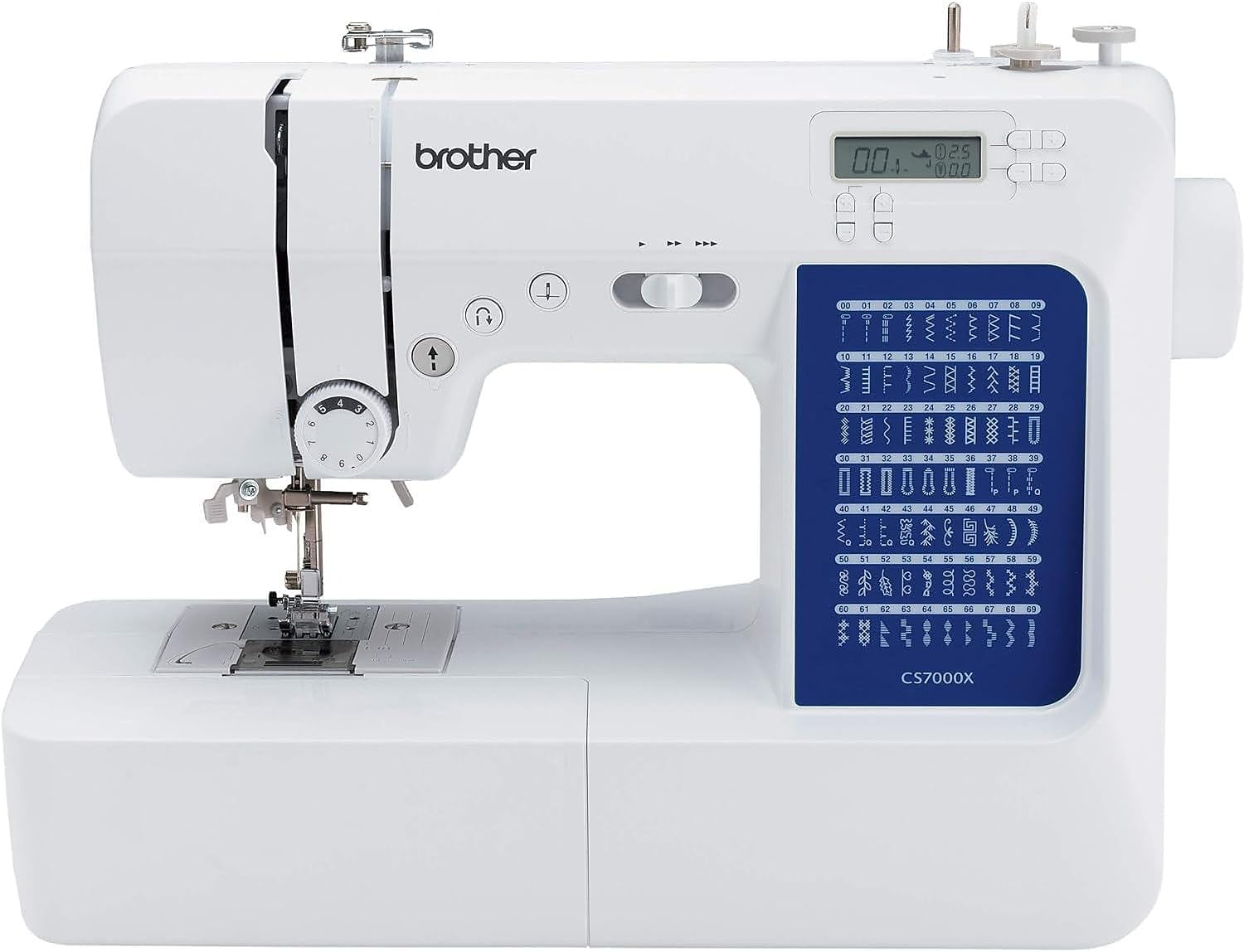
Current Price: $279
Perfect if you:
- Are teaching a child to sew (speed control is essential)
- Quilt regularly (wide table included)
- Need to transport your machine (hard case included)
- Sew garments/bags with lots of zippers
- Want less tension fussing (improved mechanism)

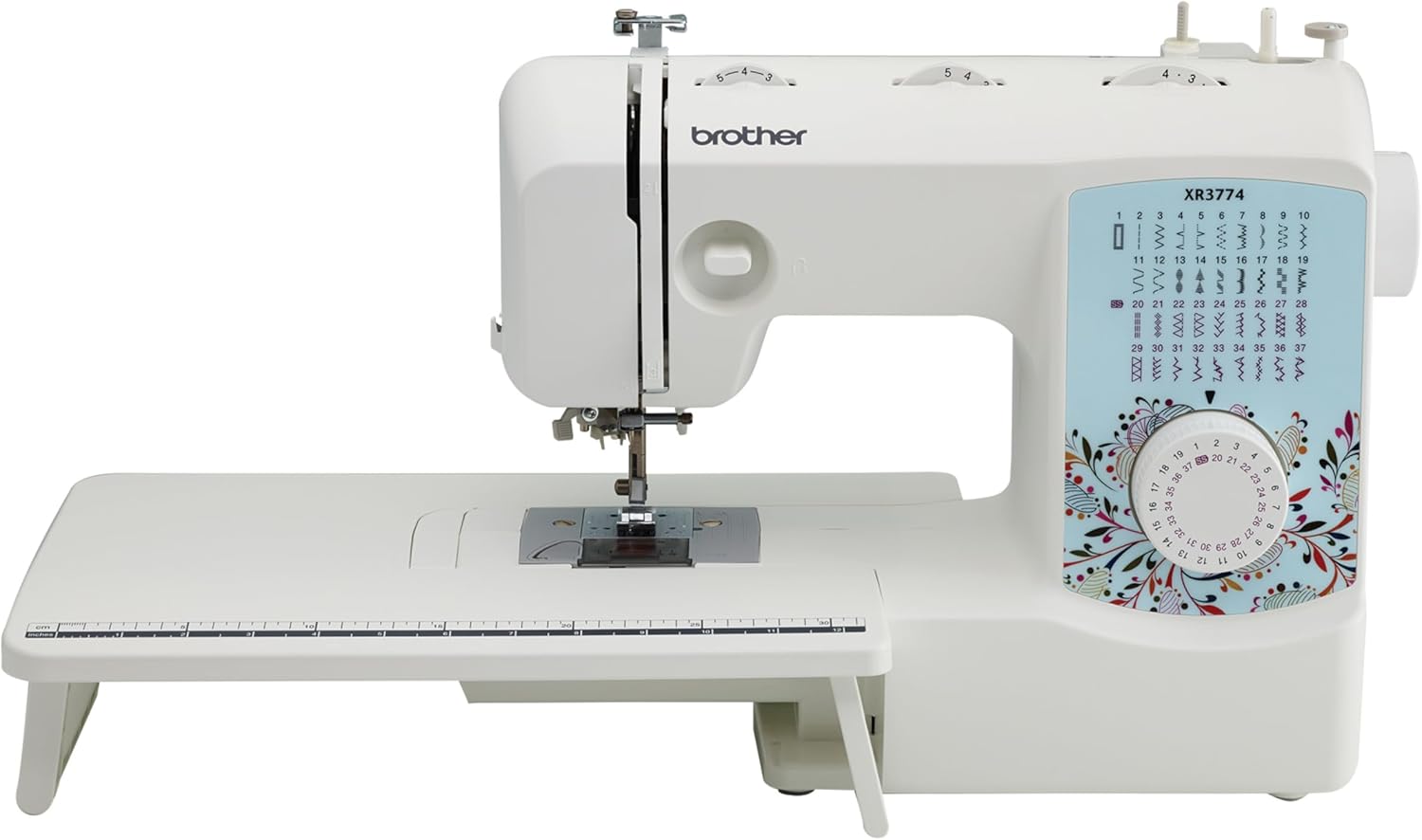
Current Price: $174
Perfect If You:
- Best for 1-2 projects per month
- Consistent buttonhole quality
- Simple dial controls
- No speed control for beginners
Introduction
The buttonholes on your new sewing machine looked perfect for the first month. Then they started bunching. The thread tangles every third seam. Your tension dial feels like a slot machine—sometimes it works, sometimes it doesn’t.
Here’s what nobody tells you about buying a sewing machine under $300: the difference between a machine you’ll love for years and one that’ll frustrate you into quitting isn’t about stitch count or fancy features. It’s about three specific problems that destroy the beginner sewing experience.
I’ve watched dozens of people buy their “perfect” machine based on Amazon reviews, only to have it collecting dust six months later. The Brother XR3774 ($174) and CS7000X ($274) both have 4.5+ star ratings. Both look nearly identical. Both promise to be “perfect for beginners.”
But one of these machines has a fatal flaw that ruins garment sewing. The other breaks down after a year of regular use. Let me show you which problems actually matter—and which machine won’t drive you crazy.
Table of Contents
Quick TLDR:
The Brother XR3774 ($174) is best for occasional crafters and quilters who sew 1-2 times monthly and don’t need buttonholes—but expect tension issues after a year. The CS7000X ($274) adds crucial speed control and better durability for regular sewers, though its buttonholes jump inconsistently, making it poor for garment sewing. Choose based on frequency: light use gets the XR3774, weekly sewing justifies the CS7000X’s extra $100.
Related Articles:
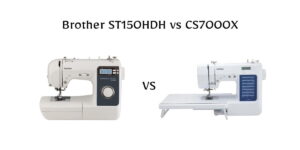
At-a-glance: Brother XR3774 vs CS7000X
| Features | Brother XR3774 | Brother CS7000X |
|---|---|---|
| Price | $174 | $274 |
| Best For | Occasional crafters | Regular Sewers |
| Speed Control | ❌ None | ✅Adjustable |
| Buttonholes | ✅ 1 style (consistent) | ⚠️ 7 styles (jump) |
| Feed Dogs | Darning plate only | ✅ Drop feed |
| Durability | ~12 months | 2+ years |
| Built-in Stitches | 37 | 70 |
| LCD Display | ❌ Physical dials | ✅ Yes (not backlit) |
| Hard Case | ❌ Not included | ✅Included |
| Where To Buy | Check On Amazon | Check On Amazon |
The Problem Most Reviews Hide: Buttonholes That Look Homemade
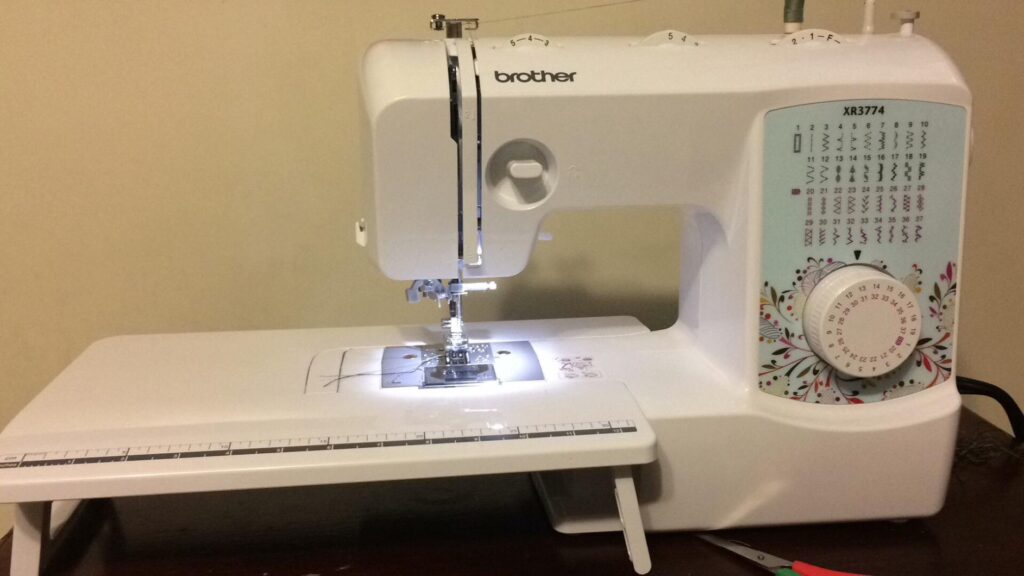
You bought a sewing machine to make clothes that look professional, right? Here’s the uncomfortable truth about the CS7000X that most comparison articles gloss over:
The buttonholes jump at the start.
Not occasionally. Consistently. The machine places stitches up to a quarter-inch away from where they should go. If you’re sewing shirts, dresses, or anything with buttons, you’ll spend more time fixing these messy buttonholes than you’ll save with all those extra stitches the CS7000X offers.
Expert reviews confirm this. Multiple real users report the same issue. The buttonhole feature—one of the main selling points—produces work that screams “beginner made this.”
The XR3774 has exactly one buttonhole style. It’s basic. But you know what? It works consistently. Every single time. No jumping. No guessing.
Here’s the decision point: Are you planning to sew garments with buttons? Shirts, blouses, jackets, anything with closures? Then the CS7000X’s buttonhole problem isn’t a minor annoyance—it’s a dealbreaker. That extra $100 bought you seven buttonhole styles that all produce inconsistent results.
For quilting, home décor, or simple crafts? The buttonhole issue doesn’t matter. But if you’re here because you want to sew actual clothing, this one problem changes everything.
The Speed Control Problem That Ruins Fabric (And Your Confidence)
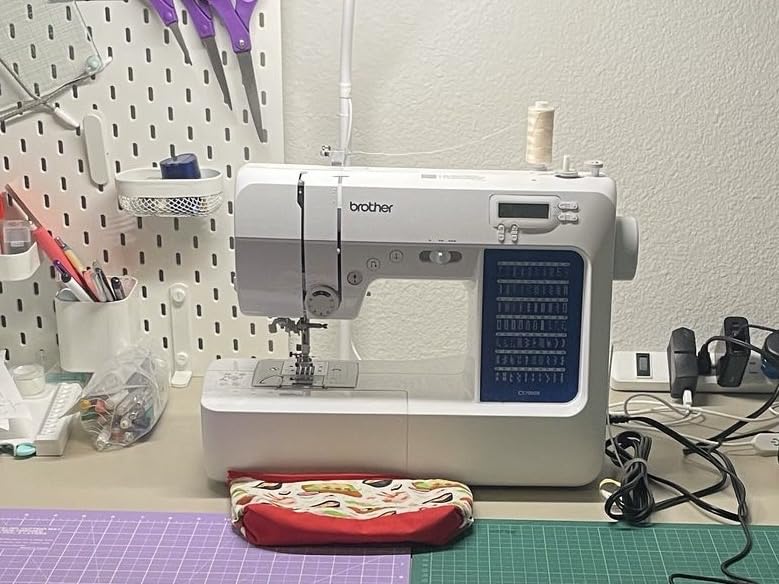
Remember your first time driving a car? You probably jerked forward at stoplights because controlling the gas pedal took practice. Now imagine that car had only two settings: off and full speed.
That’s the XR3774.
The XR3774 advertises 800 stitches per minute—faster than the CS7000X’s 750 SPM. Sounds better, right? Here’s the catch: you can’t control that speed. The foot pedal is all-or-nothing. Press lightly? Still goes fast. Press halfway? Still fast. Your only option is mashing the pedal and hanging on.
For experienced sewers working on straight seams in quilting cotton, this works fine. For beginners trying to sew curves, corners, or delicate fabrics, it’s a nightmare. You’ll blow past your stopping point. You’ll sew crooked lines because you’re moving too fast to correct. You’ll bunch your fabric because the machine is racing faster than you can guide the material.
The CS7000X has adjustable speed control. Slide a switch, and the maximum speed drops to whatever pace you’re comfortable with. Learning a tight curve in slippery satin? Set it to crawl. Blasting through yards of straight seams? Crank it up.
This is the difference between practicing techniques successfully and giving up in frustration.
User after user mentions this. “The speed control saved me.” “I couldn’t have learned without being able to slow it down.” One review from a sewing teacher is particularly telling: “I bought nine XR3774 machines for my classes. I spend more time troubleshooting than teaching.”
Why? Because beginners moving too fast make mistakes. They sew over pins. They veer off their lines. They bunch their fabric. Then they blame themselves instead of recognizing the machine is fighting against their learning process.
The One-Year Durability Cliff Nobody Talks About
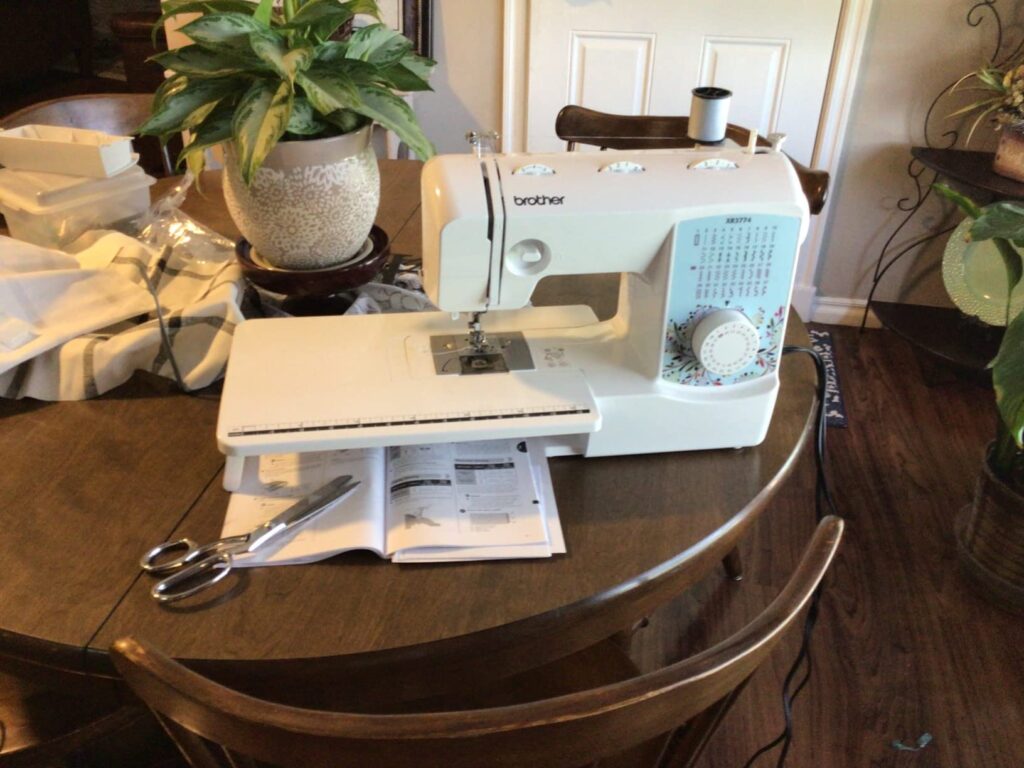
Both machines come with the same warranty: 1 year limited, 2 years on electrical, 25 years on head. Sounds identical. But warranties don’t tell you how long machines actually last with regular use.
Here’s what real users report:
XR3774 durability pattern:
- Months 1-3: Works great
- Months 4-8: Tension problems start appearing
- Month 12+: Consistent complaints about thread tangling, bobbin issues, mechanical problems
CS7000X durability pattern:
- Fewer tension complaints
- Longer reported lifespan
- More consistent performance over time
Let’s do the depressing math:
- XR3774 at $174 ÷ 12 months = $14.50 per month (if it only lasts a year)
- CS7000X at $274 ÷ 24 months = $11.42 per month (if it lasts two years)
The “cheaper” machine actually costs more per month of usable life. And that’s assuming you don’t waste money on ruined fabric or give up on sewing entirely because your machine won’t hold tension.
What That Extra $100 Actually Buys? (And What It Doesn’t)
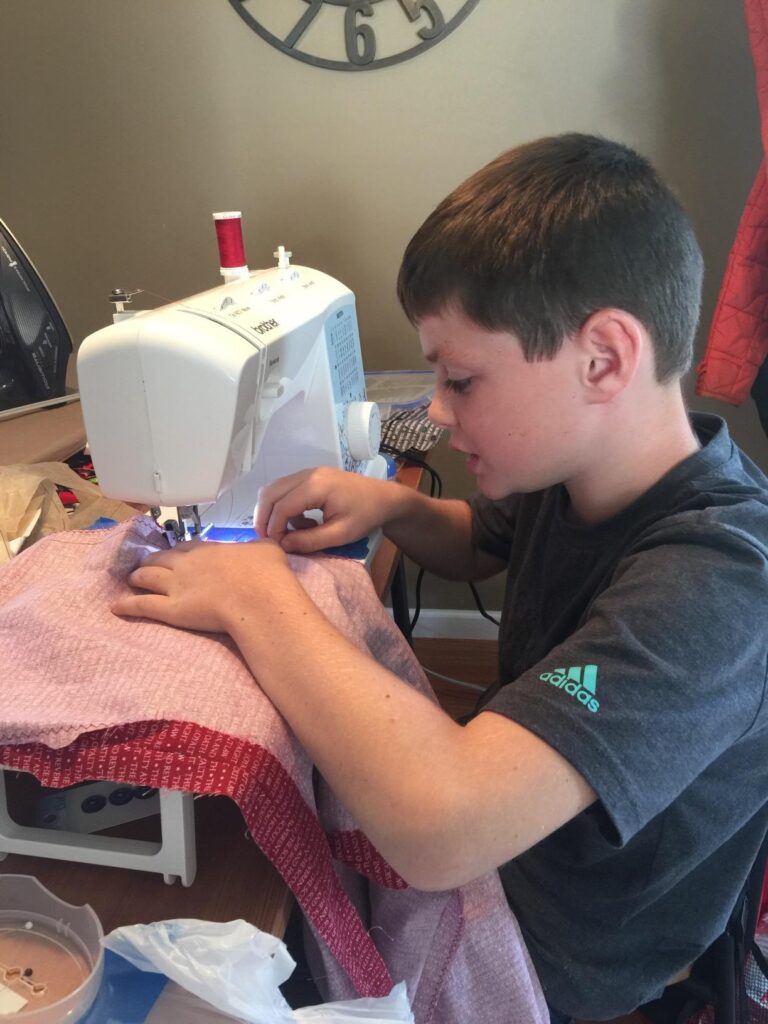
Let’s cut through the marketing fluff. The CS7000X has 70 stitches compared to the XR3774’s 37. Sounds impressive until you realize most sewers use maybe 5-7 stitches regularly: straight stitch, zigzag, stretch stitch, buttonhole, and a couple decorative options.
Those 33 extra stitches? You’ll scroll past them forever.
Here’s what the $100 price difference actually gives you:
Speed control – This alone justifies the price for beginners. Value: $30 if you had to add it aftermarket.
Drop feed mechanism – Essential for free-motion quilting, impossible to add to the XR3774 later. Value: $30.
Better automatic needle threader – The XR3774’s threader is frustrating. The CS7000X’s actually works consistently. Value: $20 (compared to replacement cost).
Hard case – The CS7000X includes a protective case worth $35-40. The XR3774 doesn’t.
LCD display with error codes – Helpful when you’re learning, though the screen isn’t backlit so it’s hard to see in dim light. Value: $15.
Better build quality and longevity – This is the big one. Worth whatever it costs you NOT to replace your machine after a year.
Total tangible value: Roughly $130-140 in features and longevity for $100.
Now here’s what you DON’T get for that $100:
- Professional-quality buttonholes (they’re actually worse)
- Industrial durability (this is still a home machine)
- Significantly more power (both use similar motors)
- Ability to sew heavy-duty materials like leather or canvas (neither can handle this consistently)
The CS7000X isn’t magically better at everything. It solves specific problems the XR3774 creates: speed control, feed drop for quilting, and longevity for regular sewers.
The Feed Dog Problem That Quilters Discover Too Late
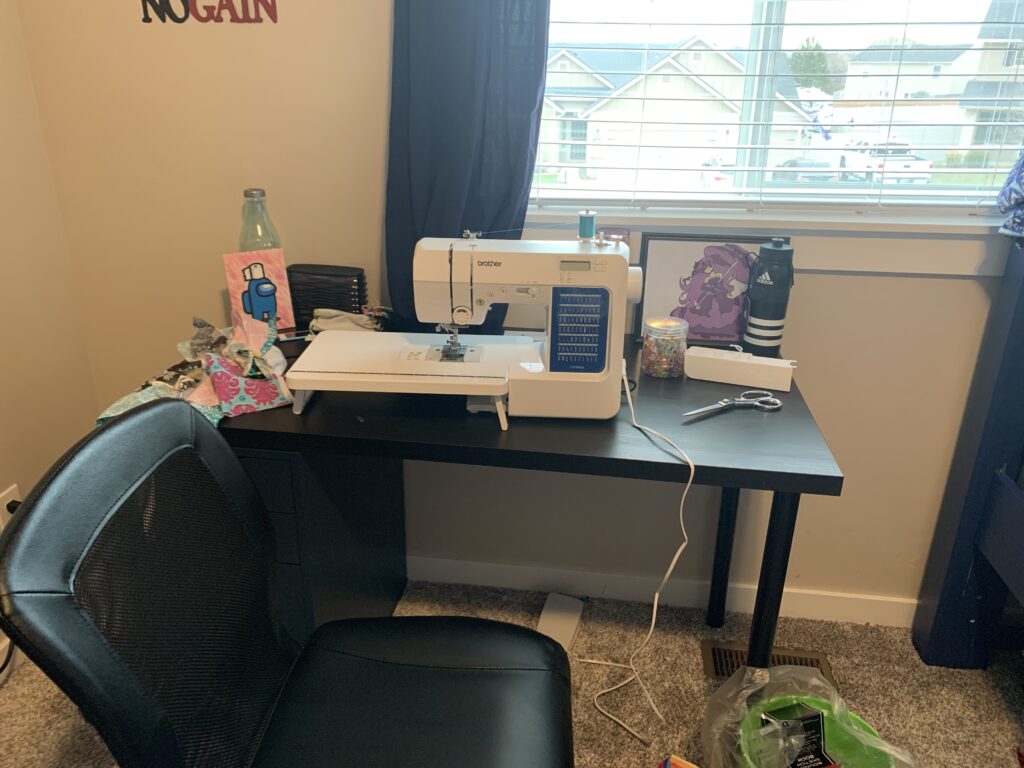
If you’re planning to do any free-motion quilting—where you move the fabric freely under the needle to create custom designs—this section determines your purchase.
The XR3774’s feed dogs don’t drop. Instead, you have to cover them with a darning plate. This works technically, but it creates friction. The fabric doesn’t glide smoothly. Your designs come out jerky and inconsistent. Experienced quilters find workarounds, but beginners struggle massively.
The CS7000X has a proper drop feed mechanism. Flip a switch, the feed dogs lower out of the way, and your fabric moves like butter across the throat plate.
If free-motion quilting is in your future plans—even just “maybe someday”—the CS7000X is worth it for this feature alone. You can’t add drop feed later. It’s a fundamental design difference.
For straight-line quilting or piecing quilt tops? Both machines work fine. The feed dog difference doesn’t matter.
For simple sewing (clothes, crafts, repairs)? Again, both work fine.
But the moment you want to quilt custom designs or try stippling, the XR3774 becomes a limitation you’ll regret.
The Tension Nightmare That Makes Beginners Quit
Thread tension is the invisible force that determines whether your stitches look professional or like a tangled mess. Get it wrong, and your seams pucker. Your thread breaks. Your bottom thread shows on top. It’s frustrating enough to make people quit sewing entirely.
Both machines have tension adjustment dials. In theory, they work the same way. In reality, the XR3774 has a pattern of tension problems that appears across dozens of reviews:
“Tension is a constant problem.” “Thread tangles a lot.” “Having problems with tension. Other than that, I love it.”
The CS7000X isn’t immune to tension issues (no machine is), but far fewer users report consistent problems. Why? Better internal components. More precise manufacturing. Small differences in build quality that compound over time.
The LCD Screen Controversy: Love It or Hate It
The CS7000X’s LCD screen divides users into two camps.
People who love it:
- Beginners who need visual confirmation they’ve selected the right stitch
- Anyone who appreciates error messages that explain what’s wrong
- Sewers who like seeing stitch width and length at a glance
People who hate it:
- Anyone over 50 trying to read that tiny, non-backlit screen
- Sewers working in dimly lit spaces
- People who prefer simple, tactile dial controls
The XR3774 has physical dials. You turn a knob, you see which stitch is selected, done. No squinting. No questioning if you pressed the right button.
This is an age and vision-dependent choice. If you’re under 45 with good vision, you’ll probably appreciate the LCD. If you’re over 55 or have any vision challenges, you might find it actively frustrating.
Neither approach is objectively better. It’s entirely about your personal preference and physical needs.
How Each Machine Fails? (Because They All Fail Eventually)
Every sewing machine under $300 has weaknesses. The question isn’t “will this machine have problems?” but rather “which problems can you live with?”
How the XR3774 fails:
- Tension becomes inconsistent after 6-12 months of regular use
- Thread tangling increases over time
- No speed control means you’ll struggle with control from day one
- Durability reports suggest mechanical issues emerge around the one-year mark
How the CS7000X fails:
- Buttonholes are consistently problematic (jumping, bunching, uneven spacing)
- The LCD screen is barely visible in dim light
- Still a home machine—it’ll struggle with thick fabrics and heavy-duty continuous use
- The “computerized” features can feel like overkill for simple projects
Neither machine is built to last 20 years. They’re not heirloom tools. They’re affordable entry points into sewing that will serve you well for a specific window of time.
The real question: Which machine’s failures will derail YOUR sewing goals?
If you’re making button-up shirts, the CS7000X’s buttonhole problem is catastrophic. If you’re a quilter who wants to try free-motion work eventually, the XR3774’s lack of drop feed is a permanent limitation.
The Real Decision: What Are You Actually Going to Sew?
Forget the spec sheets. Forget the stitch counts. Here’s how to choose:
Choose the XR3774 ($174) if:
Current Price: $174
Perfect If You:
- Best for 1-2 projects per month
- Consistent buttonhole quality
- Simple dial controls
- No speed control for beginners
- You’re sewing 1-2 times per month maximum
- You’re doing simple projects: quilting, curtains, pillows, basic alterations
- You have good manual control and don’t need speed adjustment
- You don’t plan to make garments with buttonholes
- You’re not interested in free-motion quilting
- Your budget is truly maxed at $200
Choose the CS7000X ($274) if:
Current Price: $279
Perfect if you:
- Are teaching a child to sew (speed control is essential)
- Quilt regularly (wide table included)
- Need to transport your machine (hard case included)
- Sew garments/bags with lots of zippers
- Want less tension fussing (improved mechanism)
- You’re sewing weekly or planning to
- You’re a complete beginner who needs speed control to learn safely
- You want to try free-motion quilting eventually
- You’re NOT focused on making garments with buttonholes
- You value longevity and don’t want to replace your machine in a year
- You’re buying a machine for a child or teenager learning to sew
Don’t buy either if:
- You’re primarily sewing button-up shirts or garments requiring quality buttonholes
- You need to sew heavy fabrics like denim, canvas, or leather regularly
- You’re looking for a machine that’ll last 10+ years with daily use
For buttonhole-heavy sewing, consider looking at the Brother CS6000i (discontinued but still available) or bump up to the Brother HC1850 around $350. For heavy-duty work, you need a different class of machine entirely.
The Bottom Line: Neither Machine Is Perfect, But One Matches Your Reality
The Brother XR3774 and CS7000X aren’t competing to be the “best” sewing machine. They’re competing to be good enough for your specific situation while costing less than $300.
The XR3774 is the scrappy underdog. It’s basic, occasionally frustrating, and built for light use. But at $174, it lets you dip your toe into sewing without financial stress. For occasional crafters and people genuinely uncertain if they’ll stick with sewing, it’s defensible.
The CS7000X is the slightly more grown-up option. It costs $100 more but solves the three biggest problems beginners face: speed control, consistency, and early mechanical failures. For anyone planning to sew regularly or buy a machine for someone learning, it’s worth the investment.
Neither machine will wow you the way a $800 Juki or $1,200 Bernina would. Both will have quirks. Both will eventually need replacing.
But one of them matches where you are right now, with the projects you want to tackle, in the time you have available, at a price you can justify.
The question isn’t which machine is objectively better. The question is which machine’s problems you can work around and which machine’s strengths you’ll actually use.
FAQs
Which machine is better for complete beginners?
The CS7000X—its speed control lets you sew slowly while learning curves and corners, preventing frustration and fabric waste.
Can either machine handle jeans or thick fabrics?
No. Both struggle with heavy-duty materials like denim, canvas, or leather. Consider a heavy-duty machine if that’s your primary need.
Will the buttonhole feature work for sewing shirts?
The XR3774’s single buttonhole style works consistently. The CS7000X’s seven styles all jump at the start, creating unprofessional results for garment sewing.
How long will these machines last with regular use?
The XR3774 typically shows tension problems around 12 months of weekly use. The CS7000X lasts 2+ years with better build quality.
Do I need the CS7000X’s 70 stitches vs the XR3774’s 37?
No. Most sewers use 5-7 stitches regularly. The real value is speed control, drop feed mechanism, and longevity—not stitch count.
Which is better for free-motion quilting?
The CS7000X has drop feed mechanism essential for smooth free-motion work. The XR3774 only has a darning plate that creates friction.