Introduction
Something weird is happening with Brother sewing machine pricing right now.
The HC1850 costs $279 on Amazon. The XR9550 costs $249. That’s a $30 difference—barely enough to matter, right?
Here’s the thing: Real Simple Magazine ranked the XR9550 as their #1 computerized sewing machine. The HC1850? It landed at #7.
You’re paying MORE for the machine that ranks LOWER.
This isn’t how it’s supposed to work. Usually, the HC1850 costs less because it’s the older model. But right now, the pricing has flipped, and if you don’t understand why, you might waste money on the wrong machine.
Let me show you what’s actually going on here.
Table of Contents
TL;DR
The XR9550 ($249) ranks #1 in expert testing and includes a hard case. The HC1850 ($279) costs $30 more for 20 extra decorative stitches most sewers never use. Unless you need those specific stitches for monogramming, the XR9550 is the smarter buy right now.
Related Articles:
At-a-glance: Brother HC1850 vs XR9550
| Features | Brother HC1850 | Brother XR9550 |
|---|---|---|
| Price | $279 | $249 |
| Total Stitches | 185 (130 sewing + 55 alphanumeric) | 165 (110 sewing + 55 alphanumeric) |
| Expert Ranking | #7 (Real Simple) | #1 (Real Simple) |
| Hard Case Included | No | Yes |
| Buttonhole Quality | Poor (needle jumps) | Worse (uneven bobbin) |
| Best For | Monogramming enthusiasts | Most sewers |
| Where To Buy | Check On Amazon | Check On Amazon |
The Stitch Count Trap (And Why 20 Extra Stitches Don’t Matter?)
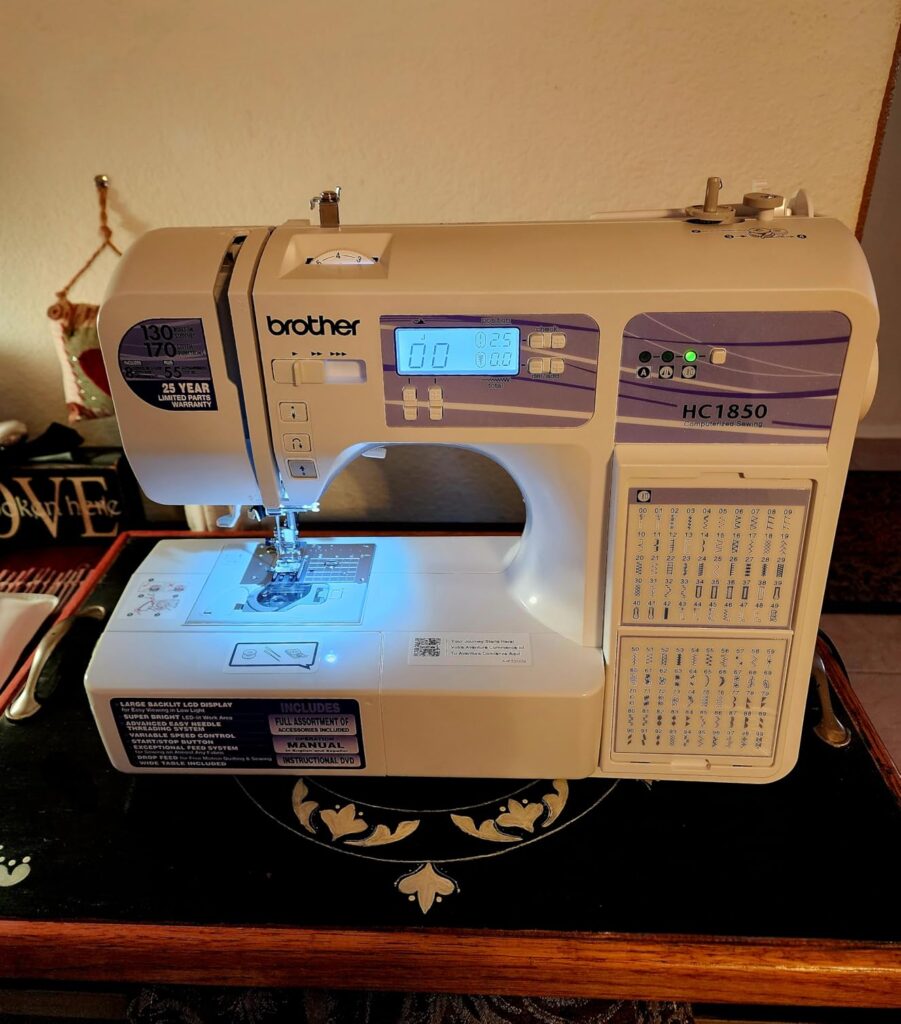
The HC1850 has 185 built-in stitches. The XR9550 has 165. Marketing materials scream about those extra 20 stitches like they’re game-changers.
They’re not.
Here’s what those 20 stitches actually are: decorative variations you’ll use once (maybe) and then forget exist. Slightly different scalloped edges. Another floral pattern that looks almost identical to three others already on the machine.
Both machines have the stitches that matter:
- 8 one-step buttonholes
- Basic utility stitches (straight, zigzag, blind hem)
- Stretch stitches for knits
- Decorative stitches for personalization
- Quilting stitches
The XR9550 gives you 110 sewing stitches plus 55 alphanumeric characters. That’s more than enough for garment sewing, quilting, home decor, and monogramming. Unless you’re planning to embroider every decorative stitch variation in Brother’s library, you won’t miss those extra 20.
The real difference isn’t stitch count. It’s what happens when you actually use these machines.
The Buttonhole Problem Both Machines Share (But Handle Differently)
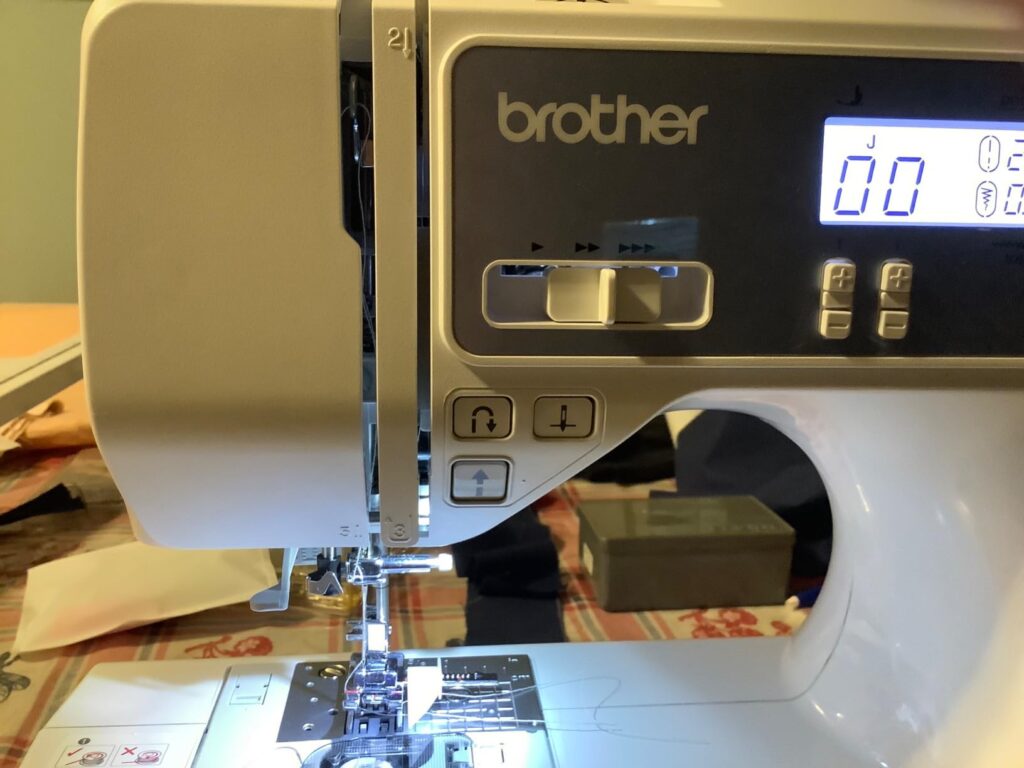
Let’s talk about buttonholes because this is where both machines struggle—and where the differences actually show up.
Neither the HC1850 nor the XR9550 makes perfect buttonholes consistently. But they fail in different ways.
The HC1850’s Issue: Needle Jumping
When sewing buttonholes on the HC1850, the needle occasionally jumps or skips, creating uneven edges. It’s not a deal-breaker for most projects, but if you’re making a dress shirt with 8 buttonholes, you’ll notice. Some buttonholes look professional. Others need to be redone.
The XR9550’s Issue: Uneven Bobbin Winding
The XR9550 has a deeper problem. The machine winds bobbins unevenly—the thread fills crooked and wobbly instead of in neat, even rows. This creates tension inconsistencies that show up most noticeably in buttonholes.
TechGearLab’s hands-on testing confirmed this. Their testers noted the crooked bobbin fill and how it affected buttonhole quality.
Which Problem is Worse?
The HC1850’s needle jumping is annoying, but you can work around it with practice. The XR9550’s bobbin winding issue is a fundamental design flaw that affects tension on every single project, not just buttonholes.
For sewers who do a lot of buttonholes—garment sewers especially—the HC1850 handles this slightly better despite costing more right now.
But here’s the reality: if buttonholes are a critical part of your sewing, neither of these machines is the best choice. You’d want something with a better buttonhole mechanism entirely.
For occasional buttonholes? Both machines will get the job done with a little patience.
The Heavy Fabric Lie Every Manufacturer Tells
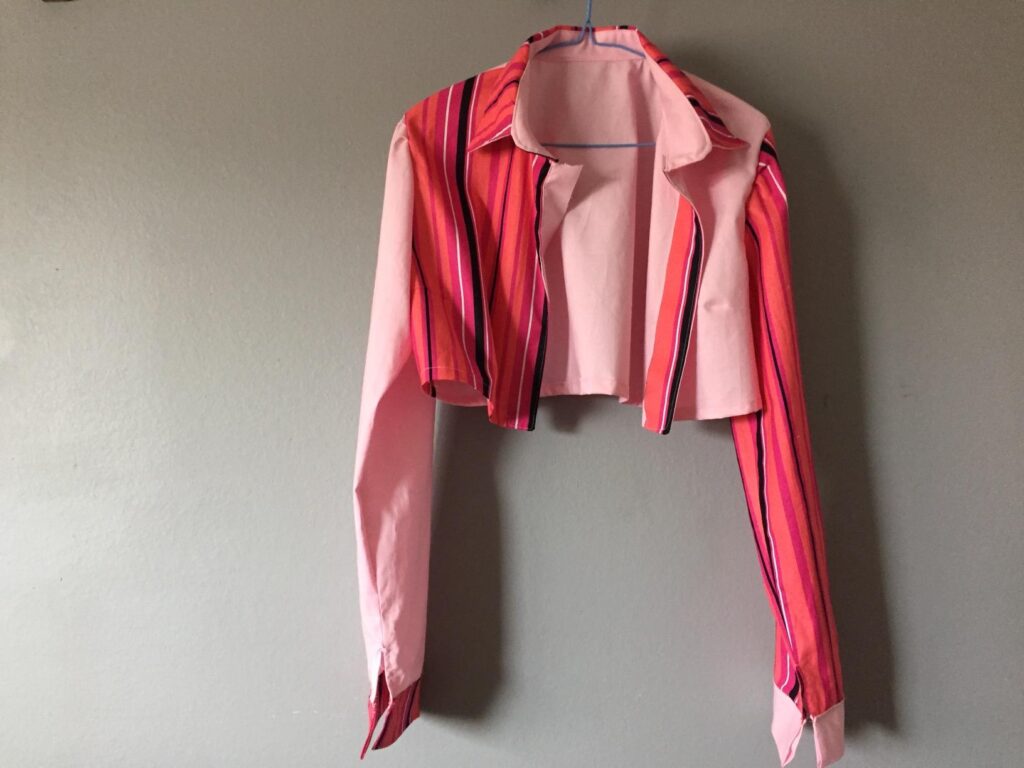
Both the HC1850 and XR9550 are marketed as capable of handling “denim and heavy fabrics.”
This is technically true. It’s also misleading.
Yes, both machines can sew through denim. A single layer? No problem. Two layers? Still fine. Four layers plus a flat-felled seam? That’s when things get dicey.
These are entry-level computerized machines. They have small motors designed for regular sewing, not constant heavy-duty use. If you’re planning to:
- Sew upholstery regularly
- Make jeans from heavyweight denim
- Work with canvas or multiple thick layers
- Quilt with heavy batting
These machines will struggle. Not immediately—they’ll handle it for a while. But reviews consistently mention motor burnout when people push these machines too hard with thick materials.
The HC1850’s Extra Problem with Heavy Fabrics
The HC1850 has fixed presser foot pressure. You can’t adjust it. This matters when sewing thick fabrics because adjustable pressure lets you reduce the foot’s grip on bulky materials, preventing fabric from bunching or sticking.
The XR9550 doesn’t have adjustable foot pressure either, but here’s the thing: you’re not paying $30 extra for it. With the HC1850 at $279, you’re paying MORE for a machine that lacks a feature that would actually justify the higher price.
If heavy fabric sewing is a regular part of your work, neither machine is ideal. But if you’re choosing between them, don’t let the HC1850’s higher price fool you into thinking it’s more capable. It’s not.
What You Actually Get for $30 More (And What You Don’t)
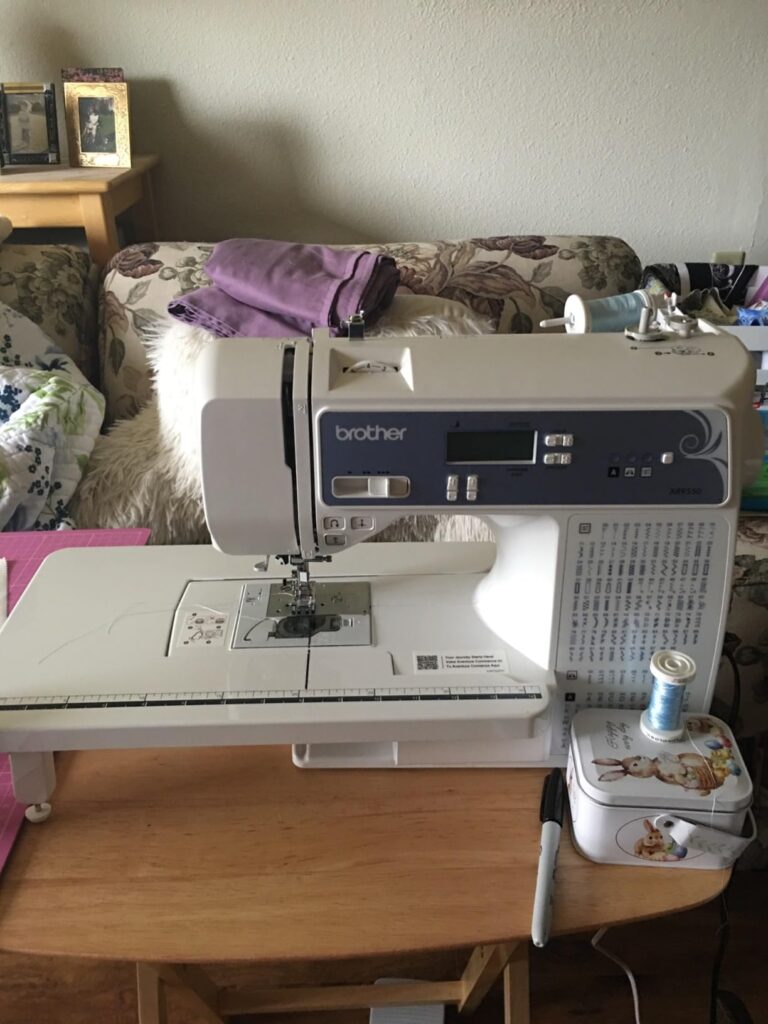
Let’s break down what that extra $30 buys you with the HC1850:
You Get:
- 20 additional decorative stitches (that you probably won’t use)
- Slightly better buttonhole consistency (still not great)
- The same build quality and motor
You Don’t Get:
- A hard carrying case (the XR9550 includes one; worth $30-50 separately)
- Better heavy fabric performance
- Adjustable presser foot pressure
- A higher expert ranking
The XR9550 includes a hard case. That’s not a throwaway detail. A good hard case protects your machine during storage and transport, and keeps dust out when it’s not in use. Buying a case separately costs $30-50.
So you’re paying $30 more for the HC1850 AND you need to buy a case separately, while the XR9550 comes with one.
The math doesn’t add up in the HC1850’s favor right now.
The 5.75-Inch Throat: The Limitation Nobody Mentions Upfront
Both machines have a 5.75-inch throat space (the distance from the needle to the machine body).
For garment sewing, this is fine. For quilting? It’s tight.
If you’re quilting anything larger than a baby quilt, that 5.75 inches means you’re constantly fighting with bunched fabric. Real quilting machines have 8-11 inches of throat space for a reason—it gives you room to maneuver large projects.
Neither the HC1850 nor the XR9550 includes a walking foot or quilting extension table. You can buy them separately, but by the time you add those accessories, you’ve spent enough money to consider a dedicated quilting machine.
This isn’t a dealbreaker if you’re primarily sewing garments, home decor, or small projects. But if quilting is your main focus, be honest with yourself: these machines will frustrate you.
When the HC1850 Actually Makes Sense? (It’s Rare Right Now)
There are scenarios where spending $30 more for the HC1850 is the right call:
You’re a monogramming enthusiast. The HC1850’s extra decorative stitches include more script fonts and embellishment options. If you personalize everything you sew, those extras matter.
You already own a hard case. If you’re upgrading from an older Brother machine and already have a case that fits, the XR9550’s included case doesn’t add value for you.
You found the HC1850 on sale. Prices fluctuate. If the HC1850 drops to $250 or below, and it’s in stock when the XR9550 isn’t, the decision changes.
But right now, at $279 vs. $249, the HC1850 is a worse value.
When the XR9550 is the Smarter Buy? (Most of the Time)
For most sewers, the XR9550 makes more sense:
You’re a beginner. The XR9550 gives you room to grow without overspending. You get all the stitches you need to learn garment construction, quilting basics, and creative projects.
You sew a variety of projects. The included hard case makes it easy to take your machine to classes or sewing groups. You’re not babying an expensive machine or worrying about damage.
You value expert opinions. When Real Simple’s testing team ranked the XR9550 as #1, they evaluated ease of use, stitch quality, and real-world performance. That ranking wasn’t based on stitch count—it was based on how well the machine actually sews.
You want the better value. $249 for a machine that performs as well or better than a $279 alternative is the obvious choice.
The Features Both Machines Share (And Why They Matter?)
Let’s not ignore what makes both of these machines good options in the first place:
LCD Display: Both have clear, easy-to-read screens showing stitch selection, width, length, and recommended presser foot. This takes the guesswork out of setup.
Automatic Needle Threader: Works reliably on both machines. This sounds like a luxury until you’re threading a needle for the 10th time in a session.
8 Included Presser Feet: Both come with the same set—zipper foot, buttonhole foot, blind hem foot, and more. No advantage either way.
Drop-In Bobbin: Easy to load and monitor. Clear bobbin cover lets you see when thread is running low.
Free Arm: Both machines have removable free arms for sewing cuffs, sleeves, and pant hems.
These features are why both machines are popular with beginners and intermediate sewers. They’re user-friendly without feeling dumbed down.
The Real Question: What Are You Actually Sewing?
Forget stitch counts and marketing specs for a minute. Think about what you’re actually going to sew:
Garment Sewing (Dresses, Shirts, Pants): Either machine works fine. The XR9550’s better value and included case make it the smarter choice. The HC1850’s slightly better buttonholes might matter if you’re making formal shirts.
Quilting (Baby Quilts, Throw Blankets): Both machines handle small to medium quilts. The 5.75-inch throat is limiting for larger projects. Neither includes a walking foot. The XR9550’s lower price leaves budget for accessories.
Home Decor (Curtains, Pillows, Simple Upholstery): Both machines handle these projects well. Don’t push them on heavy canvas or thick upholstery fabric constantly. The XR9550’s $30 savings means more fabric in your budget.
Kids’ Clothes and Repairs: Perfect for both machines. The XR9550’s hard case makes it easy to store and pull out when needed.
Monogramming and Personalization: The HC1850’s extra fonts and decorative stitches give you more creative options.
What You Should Actually Do?
If you’re reading this, you’re probably trying to decide right now. Here’s my recommendation:
Buy the XR9550 if you want the best value, a highly-ranked machine, and a protective case included. You’ll save $30, get a machine that experts rank #1, and have everything you need to start sewing immediately.
Buy the HC1850 only if you specifically need those extra decorative stitches for monogramming or embellishment projects, and you’re willing to pay $30 more plus buy a case separately.
For 90% of sewers, the XR9550 is the right choice at current prices.
The Bottom Line: Brother HC1850 vs XR9550
The Brother HC1850 vs XR9550 comparison comes down to this: you’re looking at a pricing anomaly where the lower-ranked machine costs more.
The HC1850 has 20 extra stitches you probably won’t use, slightly better buttonholes (still not great), and costs $279 without a case.
The XR9550 has everything most sewers actually need, ranks #1 in expert testing, costs $249, and includes a hard case.
Unless you have a specific reason to need those extra decorative stitches, the XR9550 is the smarter buy right now.
This pricing situation won’t last forever. Brother models fluctuate in price based on inventory and demand. But today, if you’re choosing between these two machines, the XR9550 gives you better value and better performance for $30 less.
That’s the rare combination that makes a decision easy.
FAQs
Is the Brother HC1850 worth the extra $30 over the XR9550?
Not at current prices. You’re paying more for 20 decorative stitches you probably won’t use, and the XR9550 ranks higher in expert testing while including a hard case.
Which machine is better for beginners?
The XR9550. It’s easier on your budget, includes a protective case, and has all the stitches you need to learn. The expert #1 ranking confirms it’s beginner-friendly.
Can both machines handle denim and heavy fabrics?
Yes, for occasional use. But neither is built for constant heavy-duty sewing. Both lack adjustable presser foot pressure and have small motors that can burn out with regular thick fabric use.
Do these machines come with a walking foot for quilting?
No. Neither includes a walking foot, and both have limited 5.75-inch throat space. You’ll need to buy quilting accessories separately if that’s your main focus.
Which machine makes better buttonholes?
Both struggle with buttonholes, but the HC1850 is slightly better. The XR9550 has an uneven bobbin winding issue that creates tension problems. Neither is great if buttonholes are critical to your projects.
What’s the main difference between these machines?
The HC1850 has 20 more decorative stitches. That’s essentially it. Same build quality, same motor, same included feet. The XR9550 adds a hard case and costs $30 less, making it the better value.