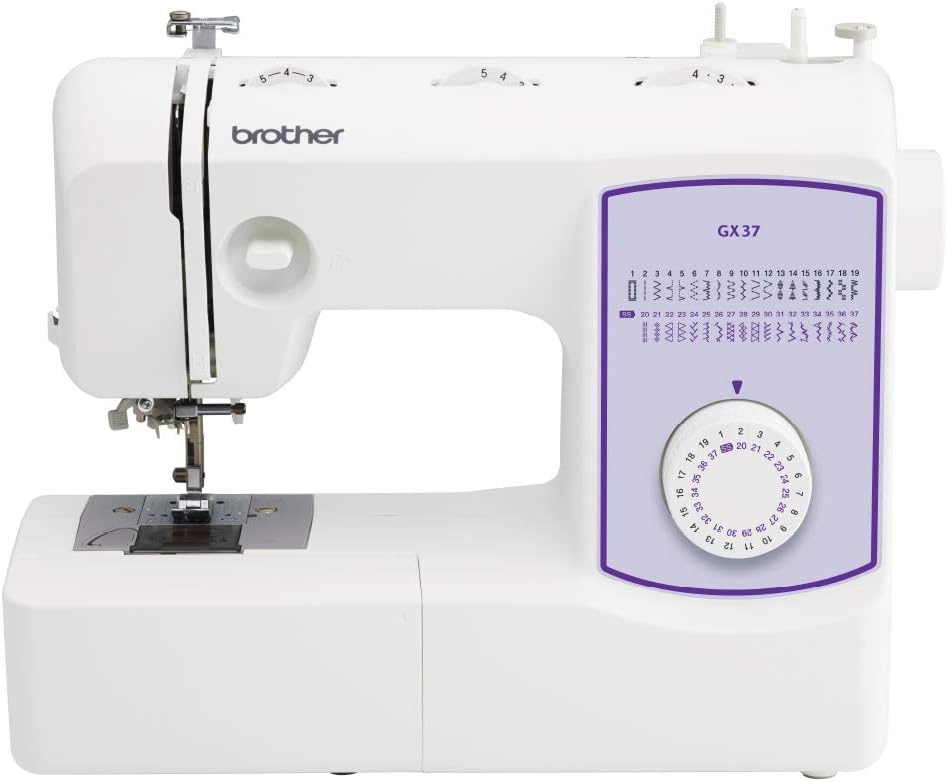
Current Price: $149
More stitches, faster speed, better long-term reliability
✓ 37 built-in stitches
✓ 850 SPM max speed
✓ 7-point feed dogs
⚠️ Buttonhole weakness — plan for a workaround if you need perfect buttonholes

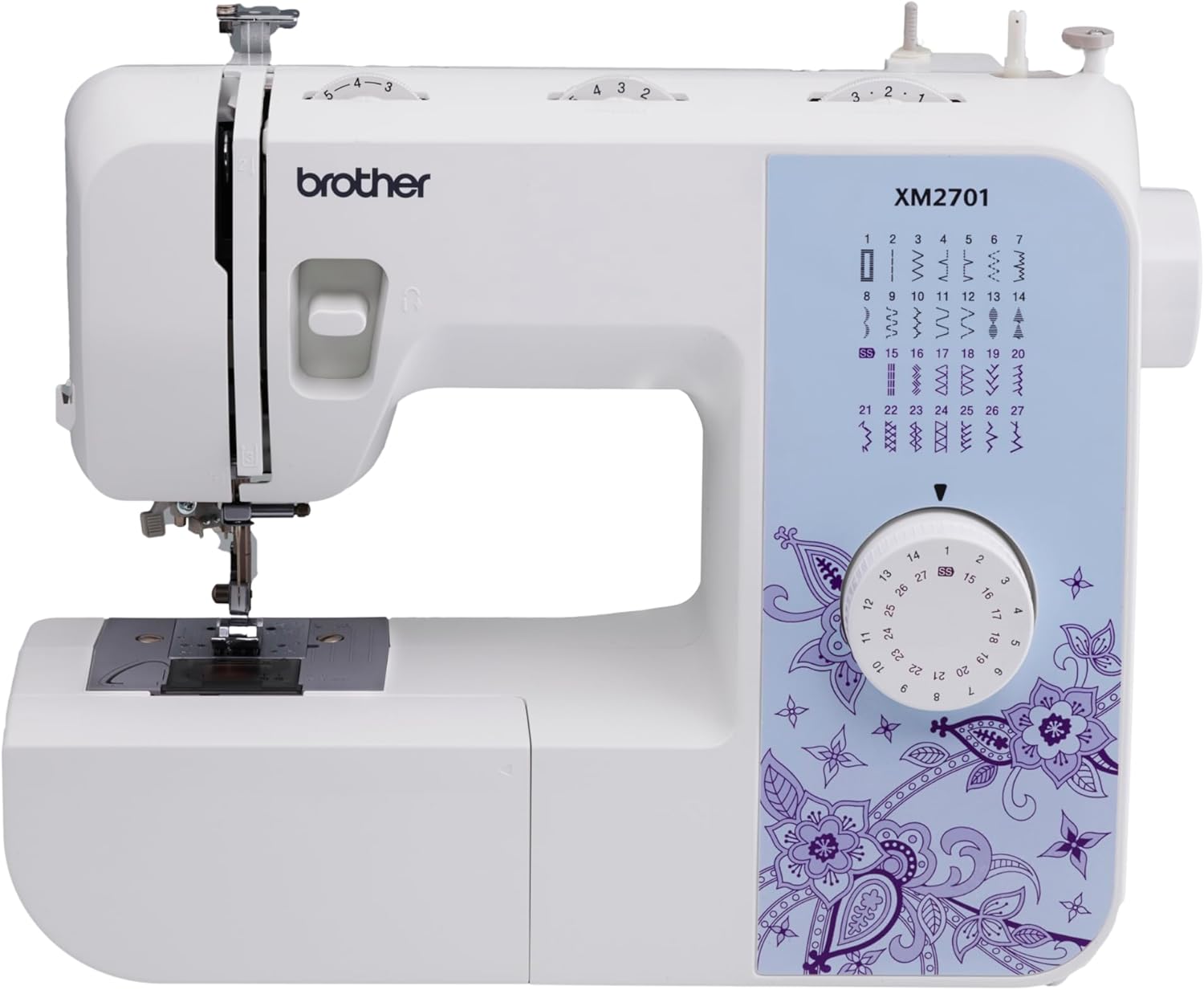
Current Price: $139
Lower price, easier setup, ideal for beginners
✓ 27 built-in stitches
✓ Automatic needle threader
✓ Lighter upfront cost
⚠️ Needle threader breaks after ~1 year | Timing can drift — factor in repair costs
Introduction
Here’s what every comparison article won’t tell you: the Brother GX37 costs $142 while the XM2701 costs $124. That’s $18 more for a machine that fewer people buy, fewer experts recommend, and – according to actual testing – performs worse at one of the most common beginner tasks: making buttonholes.
So why would anyone pay more for the GX37? That’s the question that led me down a rabbit hole of 500+ user reviews, professional testing data, Reddit threads, and Amazon Q&A sections. What I found wasn’t a simple “this one’s better” answer. It was something far more useful.
Table of Contents
Quick TL:DR;
The GX37 gives you more stitches, faster speed, and better fabric control for $18 more. The XM2701 costs less and threads easier — but it has two long-term weaknesses that Brother doesn’t advertise. Read on. Both of those weaknesses matter more than any spec on the box.
Related Articles:
Brother GX37 vs XM2701: At-a-glance
| Features | Brother GX37 | Brother XM2701 |
|---|---|---|
| Price | $149 | $139 |
| Stitches | 37 | 27 |
| Speed | 850 SPM | ~800 SPM |
| Feed Dogs | 7-point | 5-point |
| Buttonholes | ⚠️ Uneven | ✓ Reliable |
| Long-Term | ✓ Stable | ⚠️ Timing drift |
| Where To Buy | Check On Amazon | Check On Amazon |
The Real Problem: Both Machines Break – But One’s Problems You Can Actually Fix
Every single comparison article lists specs and features. None of them tell you what happens when things go wrong. And things WILL go wrong with both of these machines – they’re $124-142 sewing machines, not industrial workhorses.
But here’s what matters: some problems you can fix with a 5-minute YouTube video. Others are permanent design flaws you’ll fight every time you use the machine.
XM2701 Problems: Annoying, But Fixable
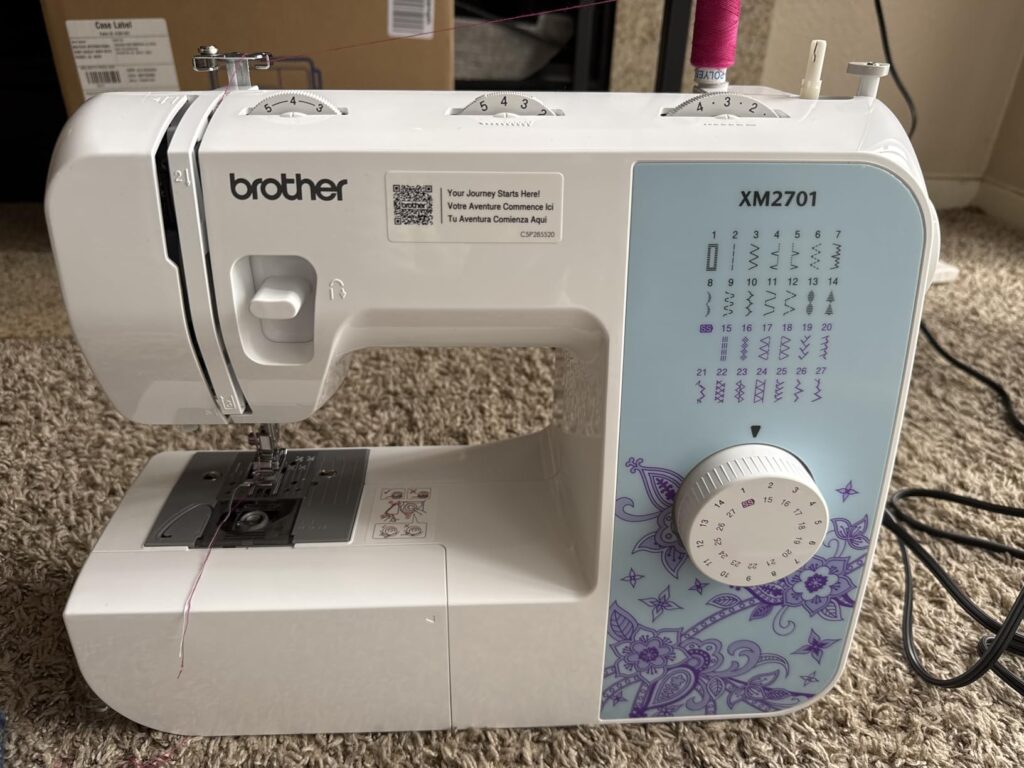
The top complaint about the XM2701 is tension problems. Reviews describe thread breaking, stitches being too tight, and constant adjustments needed.
Here’s the critical detail: multiple users specifically mention that these issues are “fixable thanks to watching YouTube videos” and that the machine “takes some getting used to.” This isn’t a compliment – it’s a warning that there’s a learning curve. But it’s also confirmation that the problems aren’t structural defects.
The XM2701’s other major weakness: it can’t handle thick fabrics or multiple layers. This isn’t something you can fix, but it’s also not unexpected at this price point. If you’re planning to sew denim, canvas, or heavy upholstery, neither of these machines is the right choice anyway.
The hidden concern: Multiple reviews mention the “timing going off” after 2-3 years of use, especially from people who were teaching themselves to sew and using the machine heavily. One user who bought it in 2020 reported that by 2023, the timing was off and “too expensive to fix.”
This is critical because timing issues aren’t simple user errors – they indicate internal mechanical wear that requires professional repair or replacement. At $124, you’re not going to spend $80-100 on timing repair.
GX37 Problems: Permanent Design Flaws
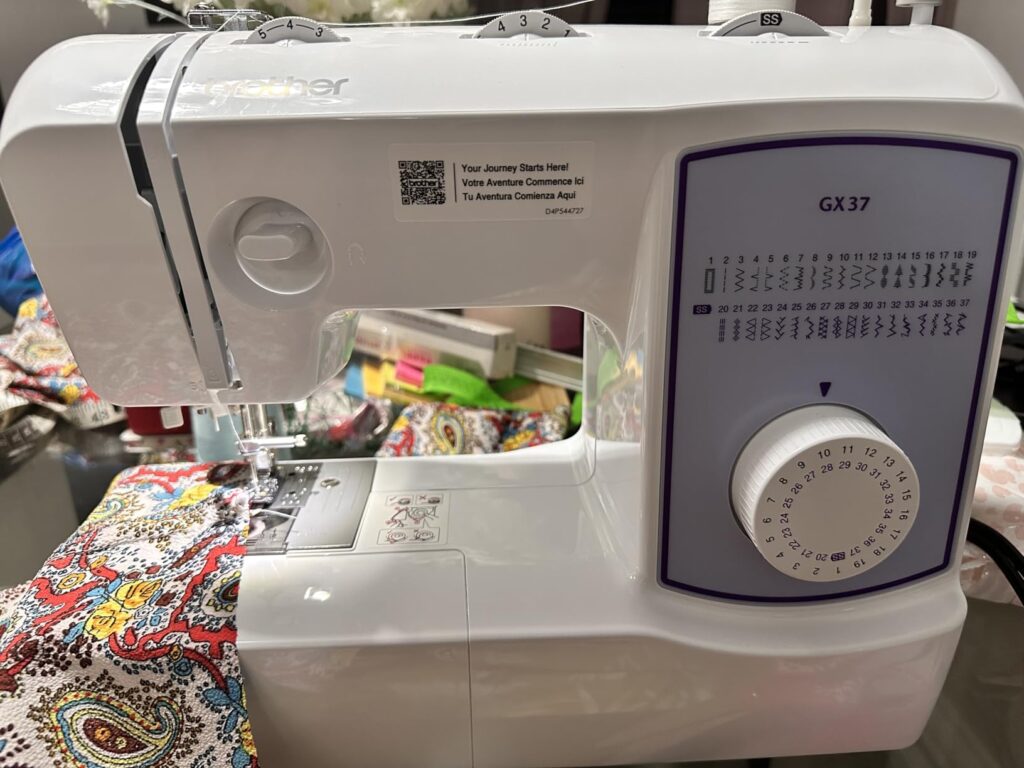
The GX37’s biggest problem isn’t something you learn to work around: it scored the LOWEST of all tested machines in buttonhole quality according to TechGearLab’s hands-on testing. The reviewer noted that “the sides were not symmetrical at all” and the “left side was uneven and grainy.”
This matters because buttonholes are one of the most common tasks for beginners making clothing, bags, and home projects. Unlike the XM2701’s tension issues (which you can adjust), the GX37’s buttonhole mechanism is what it is. No YouTube video is going to make the sides more symmetrical.
The GX37’s other documented issues include no automatic needle stop (you have to manually position the needle), poor lighting placement that makes it hard to see behind the needle, and difficulty sewing over thick seam intersections like zipper bottoms. One user reported that “thread breaks every time I come to the seam area” when sewing denim.
Here’s the insight: The XM2701’s main problems are maintenance and user technique issues that improve as you learn. The GX37’s main problem is a mechanical defect that never improves. For a beginner who’s still learning, fixable problems are infinitely better than permanent flaws.
The 10-Stitch Deception: What Are You Actually Paying $18 Extra For?
The main spec difference between these machines is stitch count: GX37 has 37 built-in stitches while the XM2701 has 27. That’s the primary justification for the $18 price difference.
But here’s what no article explains: what ARE those extra 10 stitches?
Both machines include all the essential stitches beginners actually use: straight stitch, zigzag, blind hem, stretch stitches, and buttonhole. Multiple sewing experts confirm that beginners typically only use 5-10 stitches regularly – and both machines have those covered.
The extra 10 stitches on the GX37 are primarily decorative stitches. These are the ones you use maybe once or twice when you’re excited about your new machine, then never touch again. They’re nice to have, but they don’t impact the quality of your actual sewing projects.
The better question isn’t “which has more stitches?” It’s “does the cheaper machine have all the stitches I’ll actually use?”
For the XM2701, the answer is yes.
Where the GX37 Actually Wins: The Details That Matter?
Current Price: $149
More stitches, faster speed, better long-term reliability
✓ 37 built-in stitches
✓ 850 SPM max speed
✓ 7-point feed dogs
⚠️ Buttonhole weakness — plan for a workaround if you need perfect buttonholes
Despite its buttonhole weakness, the GX37 has some genuine advantages that don’t show up in spec lists:
- Bobbin System: TechGearLab rated it as “THE easiest bobbin to wind and load” of all machines tested. For beginners who fumble with bobbins, this is a real daily quality-of-life improvement.
- Zigzag Quality: The GX37 “scored highest of all machines on zigzag and scallop stitches.” If you’re doing applique work or decorative edging, this matters.
- Tension Consistency: Unlike the XM2701, the GX37 doesn’t have widespread complaints about tension problems. It tends to work correctly out of the box.
- Overall Stitch Quality: Testing showed the GX37 produces more even, consistent stitches than the XM2701, which had “staggeringly mediocre” performance with loose and uneven long straight stitches.
Where the XM2701 Actually Wins: Community Support and Value?
Current Price: $139
Lower price, easier setup, ideal for beginners
✓ 27 built-in stitches
✓ Automatic needle threader
✓ Lighter upfront cost
⚠️ Needle threader breaks after ~1 year | Timing can drift — factor in repair costs
The XM2701 has been on the market since around 2014, giving it a massive advantage in real-world support:
- YouTube Tutorials: Hundreds of videos specifically addressing XM2701 problems, from tension adjustments to bobbin threading to troubleshooting common errors.
- Forum Support: Years of archived forum posts mean nearly every problem you’ll encounter has been solved and documented by someone else.
- Parts Availability: Longer market presence means easier access to replacement parts like bobbin cases, presser feet, and accessories.
- Expert Endorsements: As of January 2025, the XM2701 received 2 expert recommendations compared to 0 for the GX37, suggesting current preference among professionals.
- Purchase Price: $18 less upfront – real money you can spend on better thread, extra presser feet, or fabric.
The Decision Framework: 3 Questions to Find Your Answer
Instead of declaring a winner, here are the three questions that will tell you which machine fits your situation:
1. Will you be making buttonholes frequently?
If you’re planning to sew clothing with buttons, bags with closures, or anything requiring professional-looking buttonholes, avoid the GX37. Its poor buttonhole performance is a documented structural issue, not something you can improve with practice. Get the XM2701 and learn to manage its tension quirks.
2. Are you comfortable troubleshooting problems yourself?
If you’re the type who watches YouTube tutorials and doesn’t mind tinkering, the XM2701’s issues become minor inconveniences. Tension adjustments, threading techniques, and maintenance are all learnable skills with massive online support.
If you want something that works correctly out of the box with minimal fiddling, the GX37’s better initial setup and tension consistency will save you frustration.
3. Do you plan to use this machine for 5+ years?
If this is a “learn for a year then upgrade” machine, save the $18 and get the XM2701. You’ll likely upgrade before timing issues appear.
If you want this to last until you’re confident enough to invest in a $400+ machine, the GX37’s longevity reports and absence of timing complaints make it the safer long-term bet.
The Honest Recommendation: Brother GX37 vs XM2701
For most beginners: Get the XM2701 at $124.
Here’s why: The $18 you save can buy better thread, additional presser feet, or a seam ripper you’ll inevitably need. The tension issues are real but solvable – and solving them will make you a better sewist who understands how sewing machines actually work. The massive community support means you’re never stuck when something goes wrong.
Yes, there’s a risk the timing could fail after 2-3 years. But if you’re sewing heavily enough to wear out the timing in 2 years, you’re probably ready for a better machine anyway. And if you’re sewing casually, proper maintenance (regular cleaning, quality thread) will extend its life significantly.
The XM2701 is the better learning machine because its problems teach you troubleshooting skills. The GX37’s buttonhole defect doesn’t teach you anything – it just forces you to make ugly buttonholes or hand-sew them instead.
Choose the GX37 at $142 if:
- You rarely or never make buttonholes (doing quilting, simple hems, pillowcases, etc.)
- You want the best possible stitch quality and consistency at this price point
- You’re planning to keep this machine for 5+ years as your only machine
- You value “it works right the first time” over “I can fix this with YouTube”
- You’re doing a lot of decorative stitching, applique, or zigzag work where the GX37’s tested strengths shine
The Bottom Line
The Brother XM2701 and GX37 aren’t that different in capabilities. Both are beginner-friendly machines with plastic construction, decent basic features, and predictable limitations at their price point.
The real difference is in how they fail:
The XM2701 fails in ways that teach you how sewing machines work. Tension adjustments, proper threading, regular maintenance – these are skills every sewist needs anyway. The massive community support means you’re never alone when figuring things out.
The GX37 fails in a way that just… fails. Poor buttonhole quality is a permanent limitation you’ll work around, not improve. But for projects where buttonholes don’t matter, it delivers slightly better overall performance.
For $124 vs $142, I’d choose the machine that makes me a better sewist over the one that makes slightly better stitches. That’s the XM2701. But if you know your specific projects align with the GX37’s strengths and avoid its weaknesses, the extra $18 buys you measurably better stitch quality and potentially longer lifespan.
Either way, you’re not making a terrible choice. You’re making a $124-142 choice – and understanding exactly what you’re getting for that money.
FAQs
Q1: Which is better for beginners?
The XM2701 is $18 cheaper and has an automatic needle threader that makes setup easier. If you’re testing whether sewing is for you, the lower price makes more sense. Just know the needle threader may break after a year.
Q2: Does the GX37’s buttonhole problem affect all machines?
It’s a documented pattern, not a one-off defect. Independent testing and multiple owner reports confirm the same issue: uneven sides, one dense and one open. If buttonholes are critical to your work, factor this in.
Q3: Can either machine handle denim or thick fabrics?
Neither handles heavy denim or multiple thick layers well. Both are built for light-to-medium fabrics. For jeans hems or upholstery, you’ll need a walking foot at minimum — or a different machine entirely.
Q4: Is the $18 difference worth it?
$18 buys you 10 extra stitches, faster sewing speed, and better feed dogs on the GX37. If you’re sewing regularly beyond simple repairs, those upgrades matter. If you’re only doing basic fixes, save the money.
Q5: What’s the difference between 7-point and 5-point feed dogs?
Feed dogs are the teeth that pull fabric under the needle. Seven points grip fabric more evenly than five, especially on slippery or stretchy materials. It’s a small mechanical advantage that shows up most on tricky fabrics.
Q6: How long do these machines last?
The GX37 has fewer documented long-term mechanical issues. The XM2701 has a pattern of needle-threader breakage and timing drift after 1–2 years. Both have a 25-year limited warranty, but coverage drops after year one.