Current Price: $259
✓ Includes walking foot ($30-40 value)
✓ Improved, durable needle threader
✓ 70 stitches (all you'll actually use)
✓ Better long-term reliability pattern
✓ Best value when you factor in real costs
Best for: Quilters, beginners who want reliability, anyone doing layered fabrics
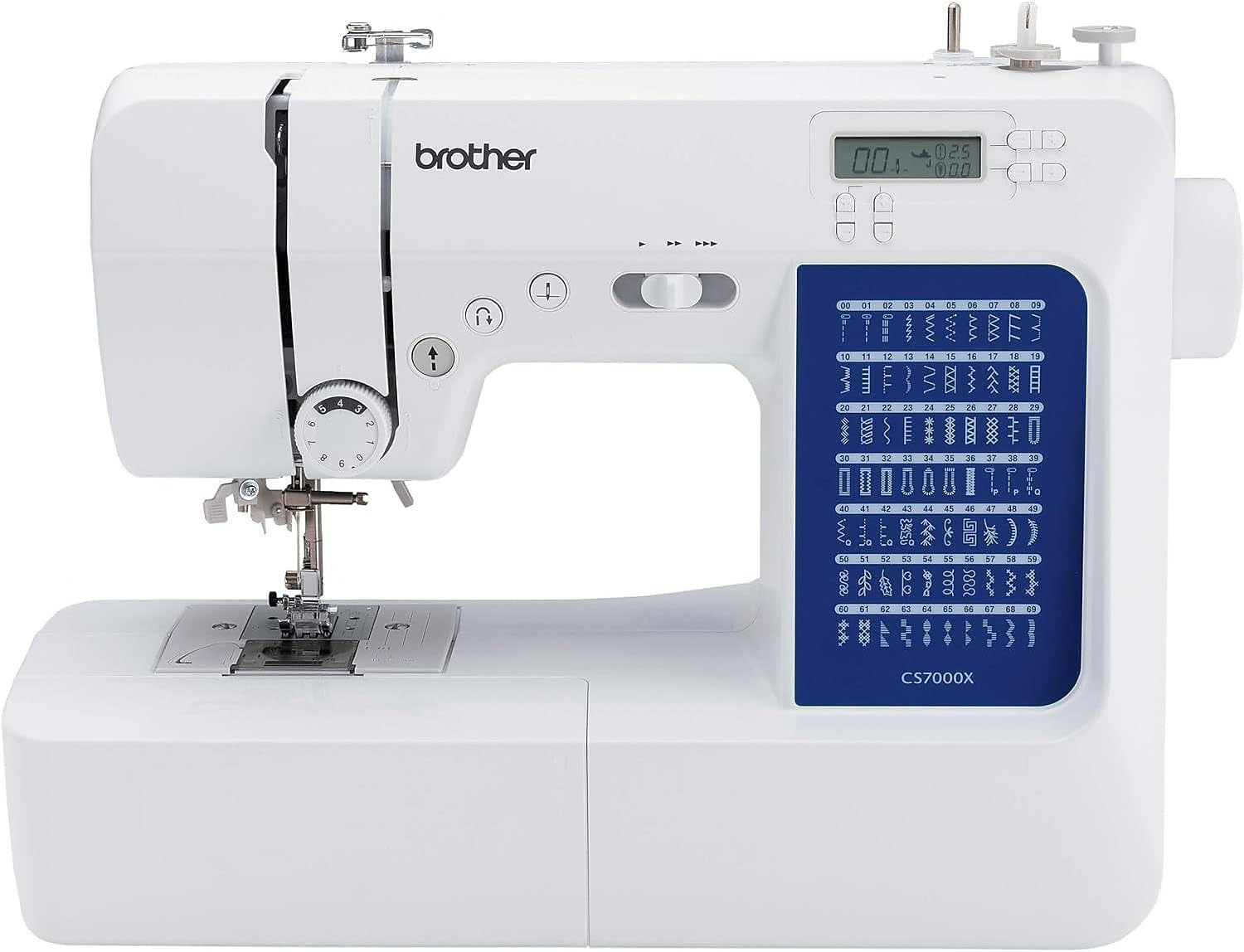

Current Price: $249
✓ 165 stitches (inc. 55 alphanumeric)
✓ $10 cheaper upfront
✓ Built-in LED lights (though dim)
✓ 8 buttonhole styles
Best for: Sewers who need decorative monogramming stitches, casual use, found on deep sale ($40+ off)
Introduction
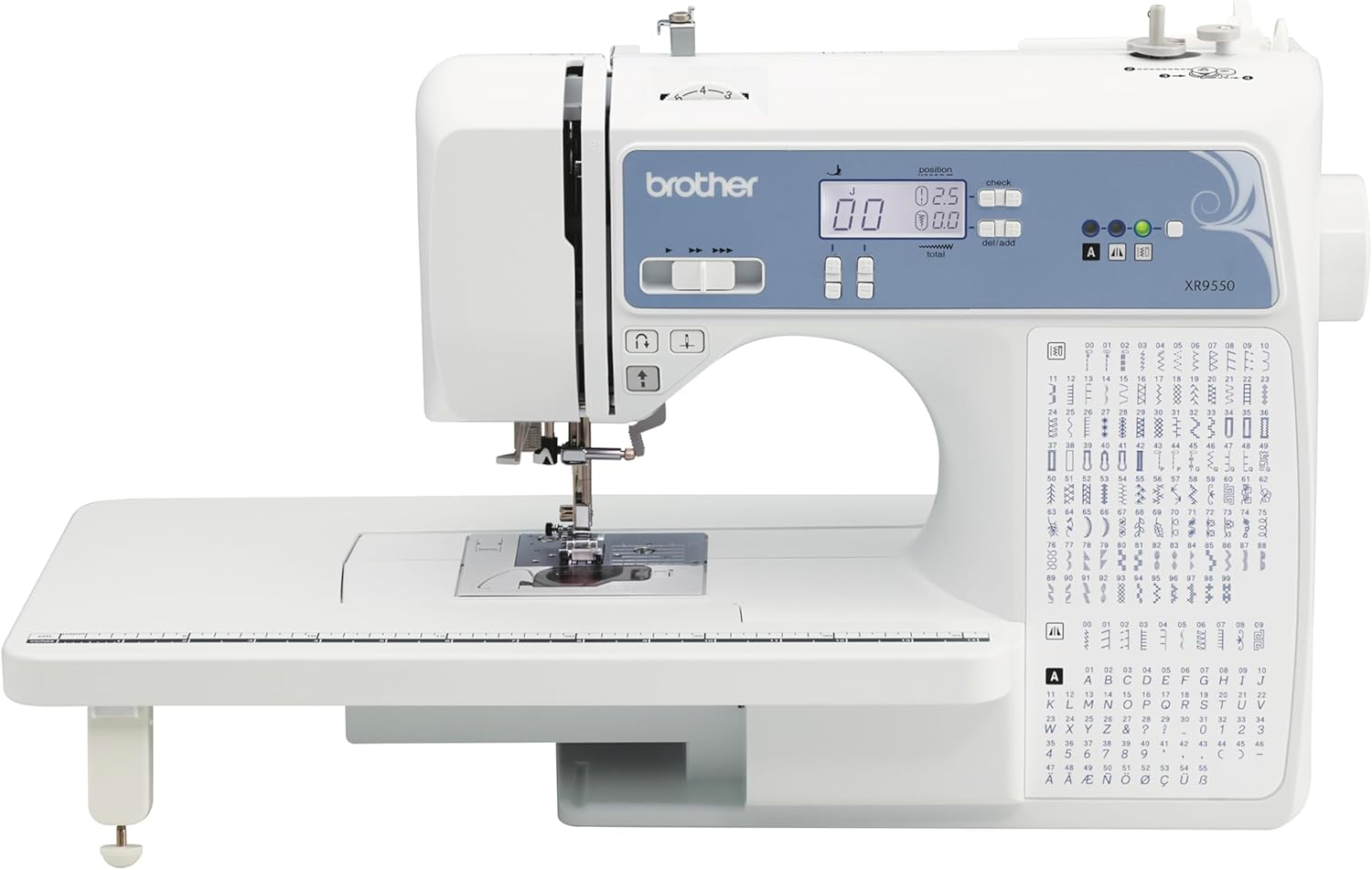
The Brother XR9550 costs $249 on Amazon right now. The CS7000X is $259. That’s a $10 difference for 95 extra stitches.
Sounds like an easy win for the XR9550, right?
Not so fast. That math changes dramatically when you realize what you’re actually giving up—and what you’ll need to buy separately within the first month.
Table of Contents
TL;DR
The CS7000X costs $10 more but includes a $30-40 walking foot and has a more reliable needle threader. The XR9550’s 165 stitches sound impressive, but 55 are basic alphanumeric stitches most sewers never use. After factoring in accessories you’ll actually need, the CS7000X is cheaper and more dependable for quilting and everyday sewing.
Related Articles:
At-a-glance: Brother XR9550 vs CS7000X
| Features | Brother XR9550 | Brother CS7000X |
|---|---|---|
| Price | $249 | $259 |
| Built-in Stitches | 165 (inc. 55 alphanumeric) | 70 |
| Presser Feet Included | 8 feet | 10 feet (inc. walking foot) |
| Needle Threader | Older generation (breaks easily) | Improved design |
| Lighting | 2 LED (dim) | None |
| Buttonholes | 8 styles | 7 styles |
| Long-term Reliability | More failure reports | Fewer issues |
| Where To Buy | Check On Amazon | Check On Amazon |
The Walking Foot Problem Nobody Mentions
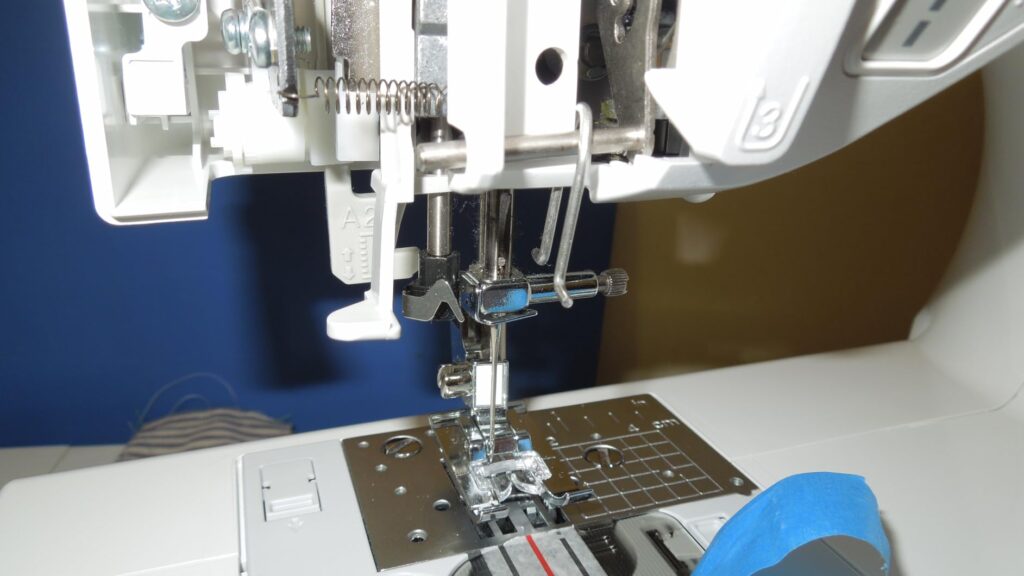
Here’s what happened to quilters who bought the XR9550: they started their first quilt project, tried to feed multiple fabric layers through the machine, and watched their fabric shift and pucker. The solution? Buy a walking foot separately for $25-40.
The CS7000X includes a walking foot in the box.
Suddenly that “$10 cheaper” claim evaporates. You’re actually paying $15-30 MORE for the XR9550 once you add the accessories you’ll actually need.
But the walking foot isn’t the only hidden cost here.
Why 165 Stitches Might Be a Red Flag, Not a Feature?
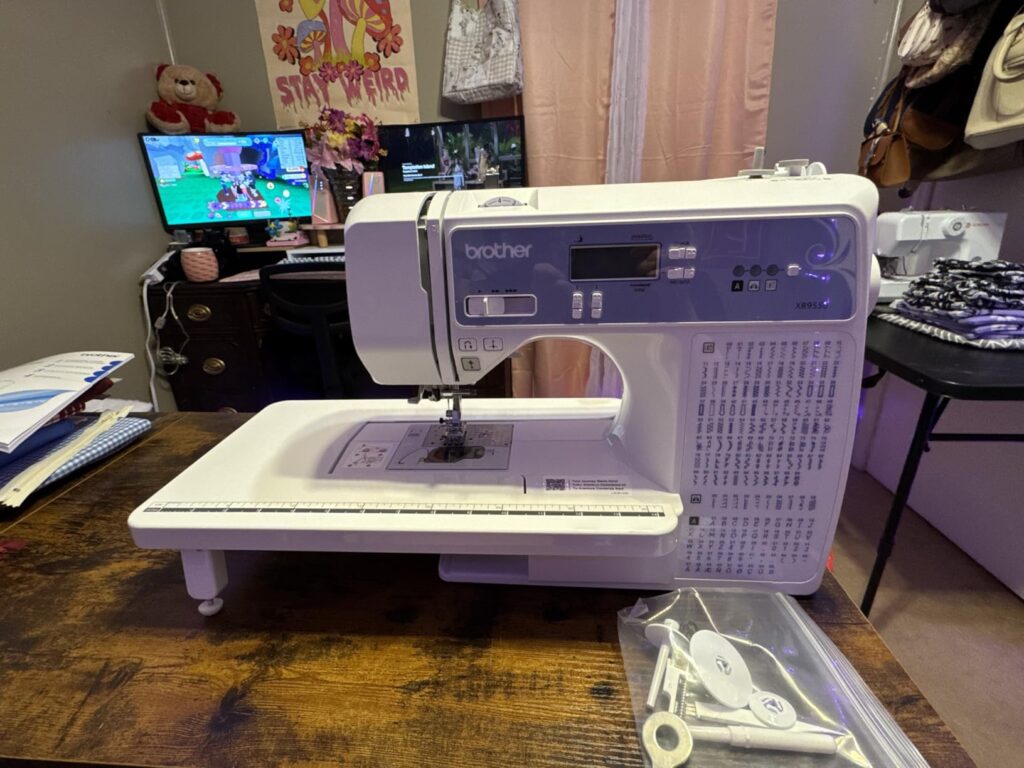
The XR9550 advertises 165 built-in stitches. The CS7000X has just 70. Marketing departments love this comparison because bigger numbers sell machines.
But let’s talk about what those 165 stitches actually include:
55 of them are alphanumeric stitches for monogramming. Sounds useful until you realize these are decorative sewing stitches limited to your machine’s 7mm stitch width—not true embroidery. If you want to add your kid’s name to a backpack, you’re getting letters that look like this: ▭▭▭ instead of smooth embroidered text.
For actual embroidery lettering, both machines require you to print text on fabric and trace it with decorative stitches. Neither machine does computer-controlled embroidery (that’s a different category entirely, starting around $600).
The remaining 40+ “extra” stitches? Mostly decorative variations that 95% of sewers never touch. Reddit sewing forums are filled with experienced sewers admitting they use maybe 10-15 stitches regularly: straight stitch, zigzag, a few stretch stitches, and 2-3 decorative options.
The real question isn’t “how many stitches do I get?” It’s “will I actually use the extra stitches, or would I rather have better presser feet?”
The Needle Threader That Breaks After Six Months
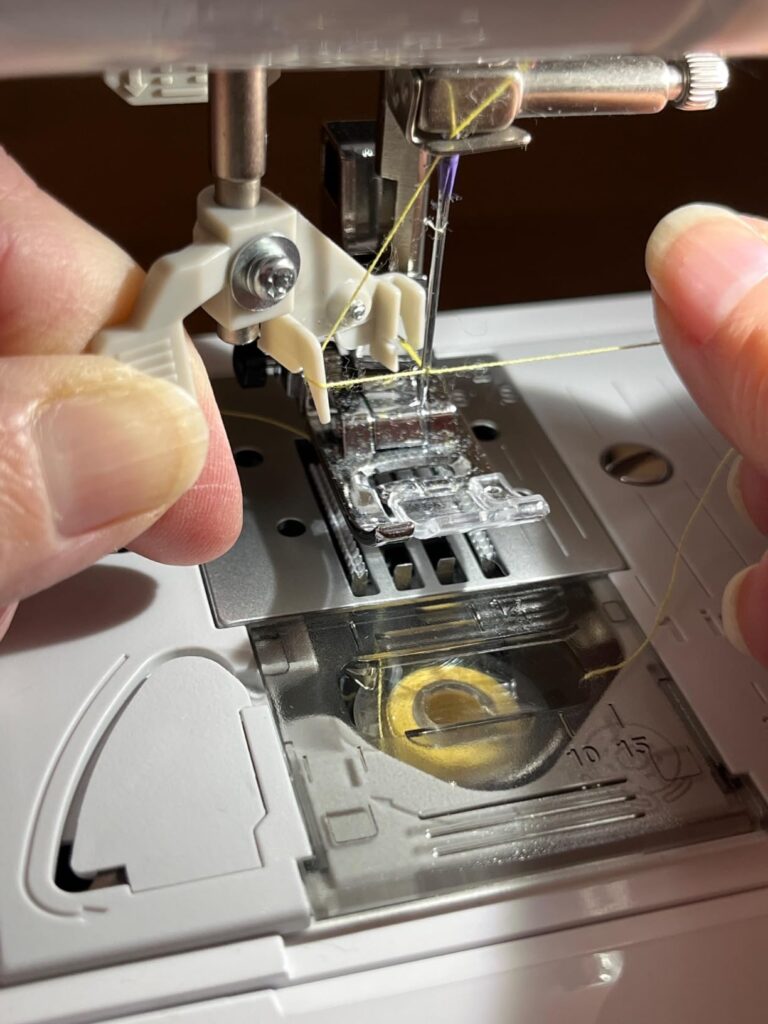
This is where the Brother XR9550 vs CS7000X comparison gets serious.
Both machines have automatic needle threaders—a crucial feature if you have vision issues or just hate threading needles. But they’re not the same generation of threader.
The XR9550 uses an older needle threader design that multiple user reviews describe as “virtually impossible to use” or prone to breaking within the first year. One reviewer mentioned getting so frustrated with it that they went back to threading manually.
The CS7000X features an improved, more durable needle threader that’s easier to use and less likely to break.
Why does this matter? Because once that threader breaks, you’re threading needles manually for the rest of the machine’s life. For sewers with arthritis, vision problems, or anyone who changes thread colors frequently, this single feature difference is a dealbreaker.
Brother doesn’t advertise “we upgraded the needle threader on the CS7000X,” but experienced sewers who’ve owned both models notice immediately.
The Lighting Situation That Makes No Sense
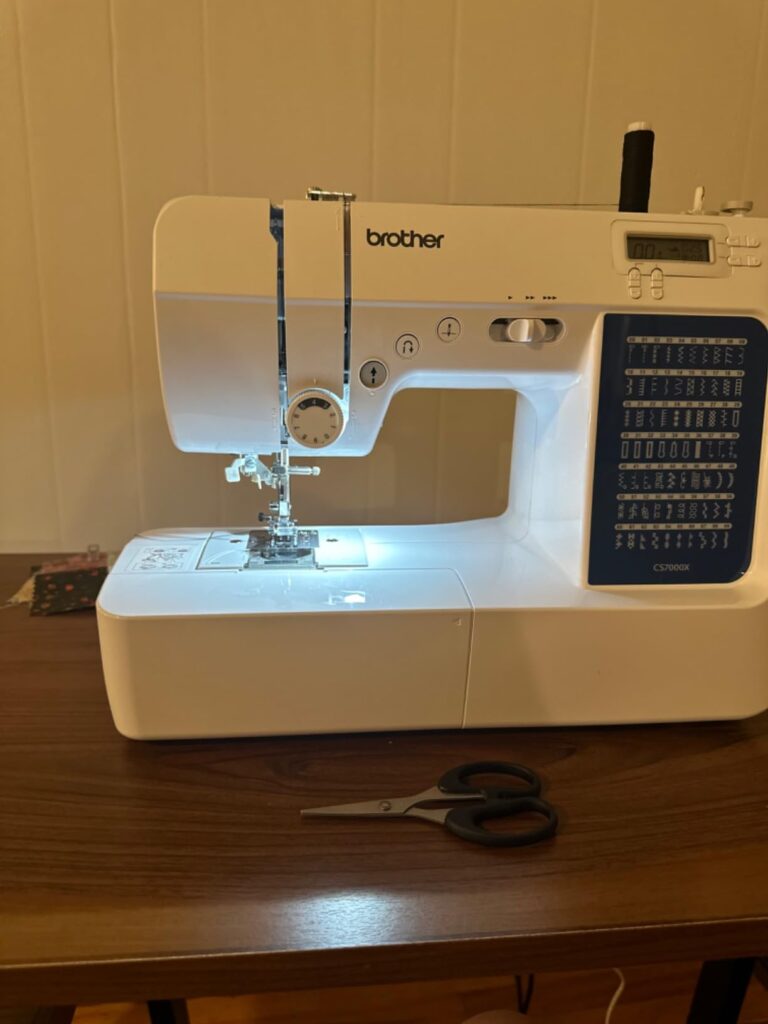
The XR9550 has 2 LED lights built into the machine. The CS7000X has zero lights.
You’d think that’s a clear advantage for the XR9550, but here’s what actually happens: XR9550 owners consistently complain that the built-in lights are too dim to be useful. You end up adding a desk lamp anyway.
CS7000X owners know from day one they need external lighting, so they set up proper illumination from the start—usually a daylight LED lamp that provides better visibility than those dim built-in LEDs ever would.
This is what makes the Brother XR9550 vs CS7000X decision tricky: you’re choosing between inadequate lighting (that gives you false confidence) or no lighting (that forces you to solve the problem correctly).
The Durability Pattern You Need to Know About
Scroll through Amazon reviews, and you’ll notice a pattern with the XR9550: multiple reports of machines jamming, developing tension problems, or completely failing after 6-12 months of regular use.
One review mentioned things breaking and repair shops saying the machine couldn’t be fixed. Another described the machine “stopped working” after less than a year.
The CS7000X, being a slightly newer model with design improvements, has fewer long-term failure reports. It’s not bulletproof—no machine at this price point is—but the reliability difference is noticeable when you compare review patterns side by side.
Why does the XR9550 have more failures? Likely because it’s an older design with that first-generation needle threader and slightly older internal components. The CS7000X benefited from Brother learning what broke on earlier models.
The Buttonhole Reality Check (That Affects Both Machines)
Neither machine is great at buttonholes. Let’s be honest about this.
The XR9550 offers 8 buttonhole styles. The CS7000X has 7. Both use a one-step buttonhole process that’s supposed to be automatic.
In practice? Both machines can struggle with consistent buttonhole sizing, especially on thicker fabrics or when you’re making multiple buttonholes that need to be identical. Users of both models report needing practice to get clean, professional-looking buttonholes.
If buttonholes are critical to your sewing plans—maybe you’re making shirts or jackets—understand that neither of these machines will give you perfect results right out of the box. You’ll need to practice and possibly make adjustments.
The buttonhole foot designs are different between the models, but in terms of actual results, they’re roughly equal in the “good enough for most projects but not perfect” category.
What About Heavy Fabrics Like Denim and Canvas?
Both machines have a maximum fabric thickness of 6mm (about 1/4 inch). Both advertise themselves as suitable for quilting and heavy fabrics.
The reality? They’ll handle denim, canvas, and layered quilts, but they’re not powerhouse machines. You’ll need to go slow and use the right needle and thread combination.
Neither machine has a meaningful advantage over the other for heavy fabrics. The XR9550 is rated faster on paper (≈850 SPM) versus the CS7000X (≈750 SPM), but that speed difference rarely translates into a practical advantage on heavy or layered fabrics — feeding and presser-foot choice matter far more.
Where they differ is in those included presser feet. The CS7000X’s walking foot helps tremendously when sewing thick layers or slippery fabrics. Without it (XR9550), you’re fighting the fabric more and dealing with shifting.
The Real Cost Breakdown: Brother XR9550 vs CS7000X
Let’s do honest math on the Brother XR9550 vs CS7000X comparison:
Brother XR9550: $249
- Add walking foot: +$30 (average price)
- Add better lighting: +$20 (desk lamp)
- Replace needle threader when it breaks: $15-40 (if you can find parts) or just deal with manual threading
- Real cost: $299-339
Brother CS7000X: $259
- Add better lighting: +$20 (desk lamp)
- Includes walking foot, zipper foot, buttonhole foot, and 7 other feet
- Real cost: $279
The CS7000X is actually cheaper once you factor in what you’ll need to buy separately for the XR9550.
So Which One Should You Actually Buy?
Choose the XR9550 if:
Current Price: $249
✓ 165 stitches (inc. 55 alphanumeric)
✓ $10 cheaper upfront
✓ Built-in LED lights (though dim)
✓ 8 buttonhole styles
Best for: Sewers who need decorative monogramming stitches, casual use, found on deep sale ($40+ off)
- You specifically need those alphanumeric stitches for decorative monogramming projects (and understand their limitations)
- You found it on a steep sale that makes it $40+ cheaper than CS7000X
- You’re okay buying a walking foot separately and dealing with an older needle threader design
- You sew casually and won’t push the machine hard enough to expose durability issues
Choose the CS7000X if:
Current Price: $259
✓ Includes walking foot ($30-40 value)
✓ Improved, durable needle threader
✓ 70 stitches (all you'll actually use)
✓ Better long-term reliability pattern
✓ Best value when you factor in real costs
Best for: Quilters, beginners who want reliability, anyone doing layered fabrics
- You plan to do any quilting (that walking foot is essential)
- You want the improved needle threader that’s less likely to break
- You value long-term reliability over stitch count
- You’d rather have better presser feet than decorative stitches you won’t use
- You want a machine that represents Brother’s more recent design improvements
The honest answer for most sewers? The CS7000X is the smarter buy. You’re getting a slightly newer design with the accessories that actually matter, better reliability patterns, and you’re saving money in the long run.
The XR9550’s “165 stitches” marketing sounds impressive, but it doesn’t translate to better sewing results for most projects. Meanwhile, the CS7000X quietly includes the practical features that make your actual sewing experience better: a walking foot you’ll use on half your projects, a needle threader that won’t frustrate you, and build quality that’s more likely to last beyond that first year.
At $249 vs $259, you’re not choosing between budget and premium. You’re choosing between marketing numbers and practical functionality.
FAQs
Can either machine do embroidery?
No. Neither the XR9550 nor CS7000X can do computer-controlled embroidery. The XR9550’s alphanumeric stitches are decorative sewing stitches, not true embroidery. For actual embroidery, you need a machine with an embroidery module, which starts around $600.
Will these machines handle leather?
Both can handle thin to medium-weight leather with the right needle (leather needle, size 90/14 or 100/16) and going slow. Neither is designed for thick upholstery leather. Maximum fabric thickness for both is 6mm.
How loud are these machines?
Both operate at roughly the same noise level—noticeable but not excessive. They’re computerized machines, so they’re slightly louder than vintage mechanical machines but quieter than some industrial models. Neither will wake up someone sleeping in the next room at normal speeds.
Do these machines come with a warranty?
Yes, both include Brother’s standard 25-year limited warranty on the machine head and 1-year warranty on electrical components. Keep your receipt and register your machine with Brother to activate the warranty.
Can I use generic presser feet and accessories?
Yes, both use Brother’s standard low-shank presser foot system. You can buy generic feet that fit both machines, though quality varies. The included feet are decent quality, so you won’t need to replace them immediately.
Which machine is better for beginners?
Both are beginner-friendly with similar learning curves. The CS7000X has a slight edge because the improved needle threader is less frustrating when you’re learning. But either machine will work fine for a beginner—the key is starting with simple projects regardless of which model you choose.
What’s the deal with the “free arm” feature?
Both machines have a free arm (remove the accessory tray to expose it), which is essential for sewing cuffs, sleeves, and pant legs. This is a standard feature on modern machines, so neither has an advantage here.
Can these machines sew through multiple layers for quilts?
Yes, both handle quilt sandwiches (top fabric, batting, backing) reasonably well. The CS7000X has an advantage here because the included walking foot feeds all layers evenly and prevents shifting. The XR9550 can do it but you’ll want to buy a walking foot separately to avoid frustration.